
English-Speaking ENT in Gangnam, Seoul for Patients from Southeast Asia
🌍 Welcoming patients from around the world · Consultations in English with Dr. Kim Yoo Suk, MD, former professor at Yonsei & Ajou University
IN SHORT
Patients from Southeast Asia can see an ENT specialist in Gangnam without a referral, usually on the same day. Dr. Kim Yoo Suk, a board-certified otolaryngologist and former university professor, consults in English. Many people from tropical climates struggle with Seoul's cold, dry winters, which commonly cause nosebleeds, congestion and sore throats.
Who this page is for
This guide is for visitors, students and workers from Singapore, Malaysia, the Philippines, Indonesia, Vietnam, Thailand, Cambodia, Myanmar and nearby countries. Whether you are in Seoul for a holiday, a semester, a factory or office job, or a family visit, you can see an ENT specialist directly at our English-speaking clinic. In Korea there is no need for a general practitioner's referral to visit an outpatient specialist clinic.
Language
Consultations are in English. Many patients from Singapore, Malaysia and the Philippines use English daily. If you are more comfortable in Vietnamese, Thai, Bahasa or another language, you are welcome to bring a friend or use a translation app; we do not provide interpreters for these languages.
Your doctor
Dr. Kim Yoo Suk is board-certified in otolaryngology and served as a clinical assistant professor at Yonsei University and an assistant professor at Ajou University School of Medicine. He specializes in nasal and sinus disease and treats all ear, nose and throat problems in adults and children. He explains your diagnosis in plain English, shows you endoscopy findings where useful, and recommends only the tests and treatment you actually need. Workers with limited time off can ask the front desk about the quietest times to visit, and Saturday morning hours are available.
The first Korean winter
For people from the tropics, the biggest ENT challenge is usually the climate. Seoul's winter regularly drops below freezing, the air outside is very dry, and indoor floor heating dries it further. Common problems include:
- Nosebleeds and crusting from a dry nasal lining; see nosebleeds.
- Frequent colds that turn into acute sinusitis with facial pressure and thick discharge.
- Sore throat and hoarse voice in the dry season; see sore throat.
- Spring allergies. Newcomers often notice sneezing and itchy eyes in April and May when pollen and yellow dust peak; read our seasonal allergies guide for newcomers.
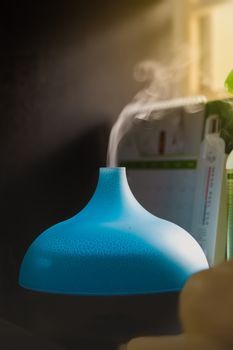
Simple measures help: a humidifier at home, saline nasal rinses, drinking enough water and wearing a mask on high fine-dust days. If symptoms last more than ten days, keep coming back, or arrive with fever and facial swelling, see a doctor.
Insurance and documents
If you are a worker or student staying six months or longer, you are generally required to join Korea's National Health Insurance; check your status with NHIS or your employer or school. Short-term visitors usually pay at the desk and claim from travel or private insurance. Ask us for:
- An itemized receipt
- An English medical certificate
- Copies of medical records or test results
The clinic does not bill insurers directly.
Practical tips
- Bring your passport or Residence Card (ARC).
- Card payment is common; bring an international credit or debit card.
- After the visit, take your prescription to a pharmacy. Tell the pharmacist about any regular medicines or herbal remedies.
- Emergency number: 119.
The clinic is two minutes from Gangnam-gu Office Station, Exit 3. Our contact page has phone and booking details, and the International Patients hub links to every guide.
Frequently asked questions
Why do I keep getting nosebleeds in Seoul?
The most common reason is dry air. Seoul's winter humidity is low, and heated apartments dry the nasal lining further, so small blood vessels crack easily. A humidifier and saline spray often help. See a doctor if bleeding is heavy, lasts over 20 minutes or keeps recurring.
I work in Korea on an E-9 visa. Can I use health insurance?
Most foreign workers on long-stay visas are generally enrolled in National Health Insurance through their employer. Bring your Residence Card so the clinic can check your eligibility. If you are unsure of your status, ask your employer or contact NHIS directly.
Is the consultation available in Tagalog, Vietnamese or Thai?
No. Consultations are in English only. If you prefer your native language, bring a friend who speaks English or Korean, or use a translation app on your phone. Writing your symptoms down in advance can also make the visit easier.
Before your visit
- Bring your passport or Alien Registration Card (ARC)
- Walk-ins and WhatsApp messages welcome:+82-10-5344-4464
- Ask for an itemized receipt, medical record copies or an English medical certificate for insurance claims
- Consultations in English
Find us in Gangnam
2F HS Tower, 703 Seolleung-ro, Gangnam-gu, Seoul
서울특별시 강남구 선릉로 703, 2층
Gangnam-gu Office Station, Exit 3-1
Mon, Tue, Thu, Fri 9:00–19:00 · Wed 14:00–19:00 · Sat 9:00–14:00
General information for international patients, reviewed by an ENT specialist. Insurance coverage and claim rules depend on your own insurer — please check with them. In an emergency in Korea, call 119.