
Home › Nose & Sinus
Nose & Sinus Clinic in Gangnam, Seoul
Rhinology, the care of the nose and sinuses, is the academic subspecialty of Dr. Kim Yoo Suk, a former Yonsei and Ajou University professor who consults in English.
Led by Dr. Kim Yoo Suk, MD · Board-certified otolaryngologist · Former professor, Yonsei & Ajou University · Consultations in English
QUICK ANSWER
The nose and sinus clinic at Gangnam Yonsei ENT diagnoses and treats rhinitis, sinusitis, deviated septum, nasal polyps, snoring, sleep apnea, nasal fractures and sinonasal tumors. Evaluation may include nasal endoscopy, allergy testing and CT. Medical treatment comes first, with same-day local anesthesia surgery when it is needed.
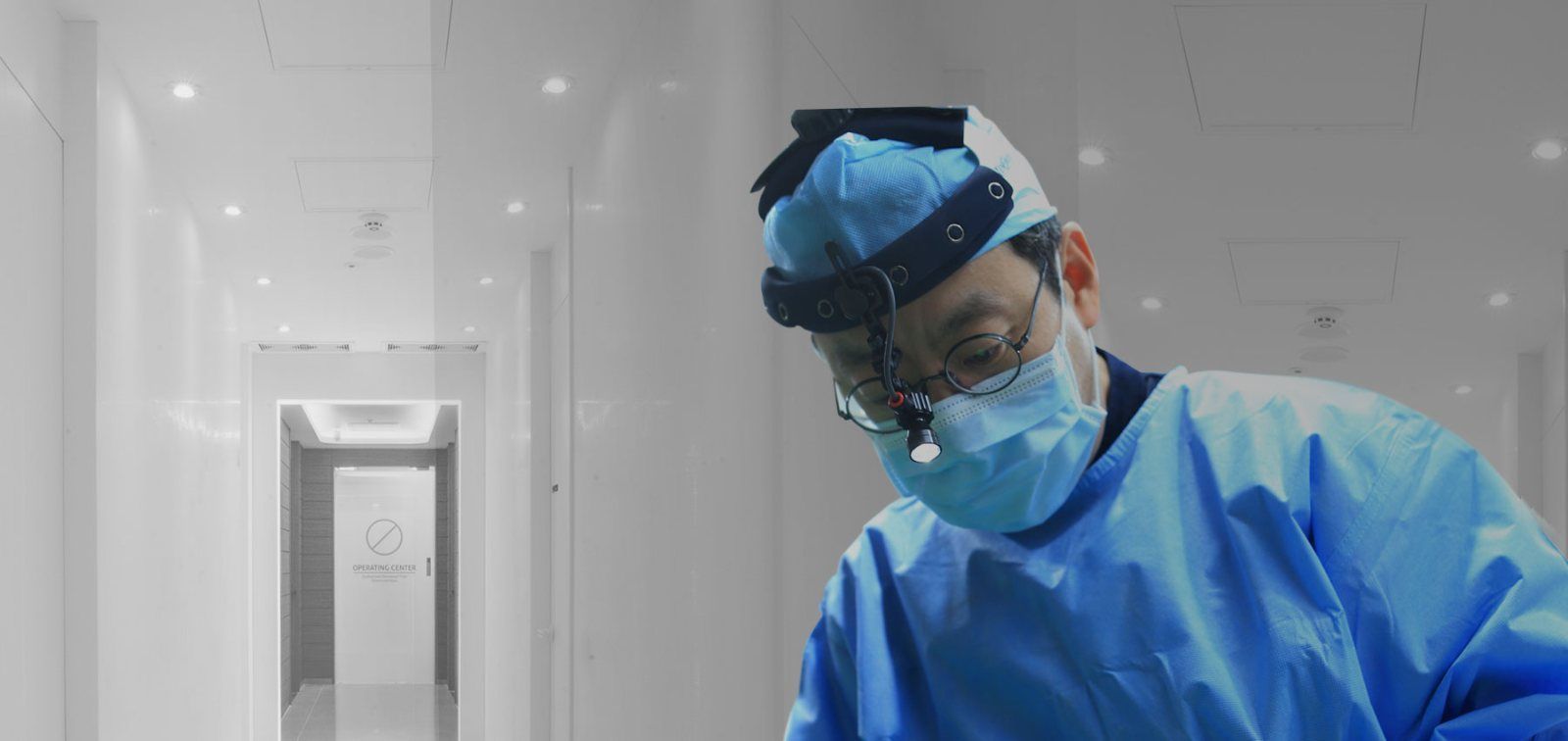
Rhinology care from a subspecialist
The nose filters, warms and humidifies the air you breathe, drains the sinuses, and supports your sense of smell. When any of these functions fail, symptoms such as blockage, discharge, facial pressure, snoring or loss of smell can follow.
Dr. Kim Yoo Suk focused on rhinology throughout his academic career, performing septoplasty, rhinitis surgery and sinus surgery as a clinical assistant professor at Yonsei University and continuing that work as an assistant professor at Ajou University. He trained in endoscopic sinus surgery at Jikei University in Japan and endoscopic skull base surgery at UPMC in the United States. Consultations are available in English.
Rhinitis, congestion and allergy
Rhinitis is inflammation of the nasal lining. The clinic follows the ARIA guideline approach for allergic rhinitis: allergen avoidance, medication, immunotherapy and, when needed, surgery.
- Allergic rhinitis
- Hypertrophic rhinitis
- Vasomotor rhinitis
- Nasal spray overuse rhinitis
- Fine dust and yellow dust rhinitis
- Chronic nasal congestion
- Postnasal drip
- Common cold
Related care: allergy test , allergic rhinitis medication , house dust mite sublingual immunotherapy and turbinate reduction surgery .
Allergic rhinitis typically causes sneezing, itching, watery discharge and congestion, while non-allergic forms are triggered by temperature changes, irritants or long-term decongestant spray use. Identifying the type guides treatment.
Sinusitis and nasal polyps
Sinusitis is inflammation of the paranasal sinuses, often with thick discharge, facial pressure and reduced smell. Some cases arise from the teeth or dental implants (odontogenic sinusitis).
- Acute sinusitis
- Chronic sinusitis
- Nasal polyps
- Fungal sinusitis
- Dental implant sinusitis
- Sinus headache
- Loss of smell
Diagnosis may involve nasal endoscopy , a sinus CT scan and a smell test . When medication does not control the disease, options include endoscopic sinus surgery and nasal polyp removal .
Acute sinusitis usually follows a cold and settles within weeks; symptoms lasting longer than about 12 weeks suggest chronic disease that needs a structured plan.
Structural problems and nasal injury
Some blockage is caused by the shape of the nose rather than inflammation.
Treatments include septoplasty , nasal valve reconstruction and nasal fracture reduction , which is ideally performed within two weeks of injury after imaging confirms the fracture. These operations are done under local anesthesia at the nasal and sinus surgery center .
A deviated septum is a bend in the wall dividing the nostrils, while nasal valve collapse is a narrowing or weakness at the narrowest part of the airway. An examination, including endoscopy, distinguishes these causes so the right procedure is chosen.
Snoring, sleep apnea and other nasal conditions
Snoring and obstructive sleep apnea are evaluated with tests such as a cephalogram , CT, endoscopy and a sleep study (polysomnography) . Management can include lifestyle changes, CPAP or an oral appliance , snoring surgery or radiofrequency tongue base reduction .
The clinic also sees:
- Nosebleeds , with nosebleed treatment
- Nasal vestibulitis
- Inverted papilloma
- Sinonasal tumors such as osteoma, hemangioma, schwannoma and fibrous dysplasia, with sinonasal tumor removal when indicated
See a doctor promptly for heavy or repeated nosebleeds, one-sided bloody discharge, swelling around the eye, vision changes or severe headache.
Frequently asked questions
What nose problems does the clinic treat?
The clinic treats allergic and non-allergic rhinitis, acute and chronic sinusitis, nasal polyps, deviated septum, nasal valve collapse, nasal fractures, nosebleeds, loss of smell, snoring, sleep apnea and sinonasal tumors such as inverted papilloma.
Will I need surgery for a blocked nose?
Not necessarily. Medication and other non-surgical measures are usually tried first. Surgery such as septoplasty or turbinate reduction is discussed when blockage persists despite treatment or the examination shows a structural cause.
How is chronic sinusitis diagnosed?
Diagnosis is based on your symptoms plus examination findings. Nasal endoscopy lets the doctor see inside the nose, and a sinus CT scan shows the extent of sinus inflammation, polyps or blockage of drainage pathways.
Can I discuss my nose problem in English?
Yes. Dr. Kim Yoo Suk, a rhinology subspecialist and former university professor, consults in English, so you can describe your symptoms and review options directly with him. Bring a list of current medications and nasal sprays to the visit.
See an English-speaking ENT in Gangnam, Seoul
Patients from around the world visit Dr. Kim Yoo Suk for nose, sinus, ear and throat problems. Message us on WhatsApp or walk in — 2 minutes from Gangnam-gu Office Station, Exit 3-1.