
Fungal Sinusitis Treatment in Gangnam, Seoul
Medically reviewed by Dr. Kim Yoo Suk, MD · Board-certified otolaryngologist · Former professor, Yonsei & Ajou University · Consultations in English
QUICK ANSWER
Fungal sinusitis is sinus disease involving fungi. The most common form seen in clinics is a fungus ball, a non-invasive clump of fungal material, usually in one maxillary sinus. It does not respond to antibiotics or sprays and is treated by endoscopic sinus surgery to remove the fungal mass and reopen drainage. Invasive forms are rare emergencies.
What is fungal sinusitis?
Fungal sinusitis is an umbrella term for sinus conditions in which fungi play a central role. Specialists divide it into non-invasive and invasive types, which behave very differently:
- Fungus ball (mycetoma) – a dense, non-invasive collection of fungal hyphae inside one sinus, most often the maxillary sinus. It is the form most commonly seen in outpatient ENT practice.
- Allergic fungal rhinosinusitis – an intense allergic reaction to fungi, often with nasal polyps and thick "allergic mucin."
- Invasive fungal sinusitis – fungi penetrate tissue and blood vessels. The acute form occurs mainly in people with weakened immunity, such as uncontrolled diabetes or chemotherapy, and is a medical emergency.
Symptoms
A fungus ball may cause few symptoms and is sometimes found by chance on a dental X-ray or CT. When present, symptoms are usually one-sided:
- Nasal blockage on one side
- Foul-smelling discharge or a bad smell only you notice
- Cheek pressure or upper tooth discomfort
- Postnasal drip and repeated "sinus infections" that never fully clear
Causes
Fungal spores are everywhere in the air, but most people clear them without trouble. A fungus ball tends to develop when a sinus drains poorly. Dental work near the maxillary sinus, including root canal filling material, has been associated with maxillary fungus balls, which is why we also assess teeth in dental and implant-related sinusitis.
How it is diagnosed at our Gangnam clinic
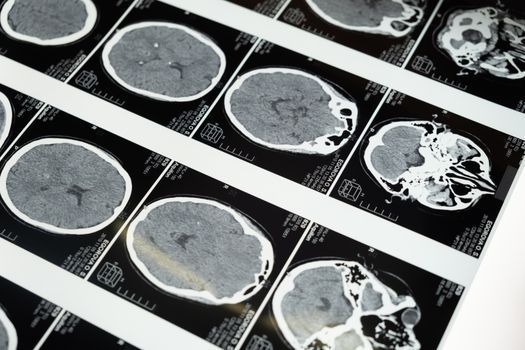
Dr. Kim first performs nasal endoscopy to look for discharge, swelling or a polyp at the sinus opening. A sinus CT scan is the key test: a fungus ball typically appears as an opacified sinus containing dense, sometimes calcified material. The final diagnosis is confirmed by pathology on the material removed at surgery.
Treatment options
Unlike bacterial sinusitis, a fungus ball does not resolve with antibiotics, steroid sprays or antifungal tablets. The standard treatment is endoscopic sinus surgery, in which the sinus opening is widened and the fungal mass is washed and lifted out through the nostril. Antifungal medication is generally not needed for a non-invasive fungus ball.
At our clinic, one-sided sinus surgery under local anesthesia takes about 30 minutes, with absorbable packing for one day and antibiotics for about a week. Most patients return home the same day without a guardian and attend weekly follow-up visits while crusting settles over two to three weeks.
Allergic fungal sinusitis usually needs surgery plus long-term steroid therapy. Invasive fungal sinusitis requires urgent hospital admission, intravenous antifungal treatment and often extensive surgery, so we refer such patients immediately to a university hospital.
When to see an ENT
See an ENT if you have one-sided nasal symptoms, a persistent bad smell, or "sinusitis" that keeps returning after antibiotics. Seek emergency care if you are immunocompromised and develop facial swelling, black crusts in the nose, facial numbness, eye pain or vision changes.
Seeing Dr. Kim in English
Dr. Kim Yoo Suk is a rhinology subspecialist who trained in endoscopic sinus surgery in Japan and taught at Yonsei and Ajou universities. He explains your CT images in clear English. Same-day testing, consultation and surgery can be arranged; see our nasal and sinus surgery center for details, and our international patient guide for practical tips.
Frequently asked questions
Is fungal sinusitis contagious?
No. Fungal sinusitis does not spread from person to person. Fungal spores are present in ordinary air, and the disease develops because of local conditions in the sinus or, in rare invasive cases, because of a weakened immune system.
Can a fungus ball go away with medicine?
Generally not. A fungus ball is a physical mass trapped in a poorly draining sinus, so antibiotics, sprays and antifungal pills rarely clear it. Endoscopic removal through the nose is the established treatment and usually resolves the problem.
Will the fungus come back after surgery?
Recurrence after complete removal of a non-invasive fungus ball is uncommon, because the widened sinus opening allows normal drainage. Follow-up endoscopy confirms healing. Allergic fungal sinusitis is different and needs longer-term anti-inflammatory care.
Your doctor
Dr. Kim Yoo Suk, MD
Board-certified otolaryngologist (ENT). Former clinical assistant professor at Yonsei University and assistant professor at Ajou University School of Medicine. Nose & sinus subspecialist who treats all ear, nose and throat conditions.
Consultations in English. Guide for international patients →
Visit us in Gangnam
2F HS Tower, 703 Seolleung-ro, Gangnam-gu, Seoul
Gangnam-gu Office Station (Line 7 / Suin-Bundang), Exit 3-1
Mon, Tue, Thu, Fri 9:00–19:00
Wed 14:00–19:00 · Sat 9:00–14:00
Closed Sundays & public holidays
This page is general medical information written and reviewed by an ENT specialist. It is not a diagnosis. Symptoms differ between people — please see a doctor for an examination. In an emergency in Korea, call 119.