
Nasal Polyps Treatment in Gangnam, Seoul
Medically reviewed by Dr. Kim Yoo Suk, MD · Board-certified otolaryngologist · Former professor, Yonsei & Ajou University · Consultations in English
QUICK ANSWER
Nasal polyps are soft, painless, non-cancerous growths of inflamed sinus lining that block the nose and dull the sense of smell. They are linked to chronic sinusitis, asthma and aspirin sensitivity. Steroid sprays and short oral steroid courses shrink many polyps; endoscopic removal is recommended when medication fails to restore breathing and smell.
What are nasal polyps?
Nasal polyps are benign, teardrop-shaped swellings of the mucosa that hang from the sinus openings into the nasal cavity. They are a visible sign of chronic rhinosinusitis with nasal polyps (CRSwNP), a type-2 inflammatory condition often involving eosinophils. Polyps are usually on both sides; a one-sided growth needs careful evaluation because it can be a different lesion, such as an inverted papilloma.
Symptoms
- Progressive nasal blockage
- Reduced or absent sense of smell and taste
- Runny nose or postnasal drip
- Facial fullness rather than sharp pain
- Snoring and mouth breathing
Loss of smell is often the most distressing symptom; our loss of smell page covers other causes.
Causes and associations
The exact cause is not fully understood. Polyps are more common in people with asthma, allergic disease and aspirin-exacerbated respiratory disease (asthma, polyps and sensitivity to aspirin or NSAIDs). Cystic fibrosis is an important cause in children. Allergic fungal sinusitis can also produce polyps.
How it is diagnosed at our Gangnam clinic
Polyps are confirmed by nasal endoscopy, which shows their size and origin. Dr. Kim then uses a sinus CT scan to map which sinuses are involved, essential if surgery is considered. A smell test measures olfactory function objectively, and tissue may be sent for pathology to exclude tumors, particularly when polyps are one-sided.
Treatment options
Medical treatment
- Daily intranasal corticosteroid sprays or rinses
- Short courses of oral corticosteroids to shrink large polyps
- Saline irrigation
- Control of asthma and allergy with your other doctors
Polyp removal
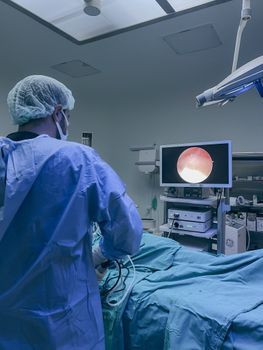
When polyps continue to block breathing or smell despite medication, nasal polyp removal is performed as part of endoscopic sinus surgery, opening the sinuses so that topical medication can reach the lining afterward. At our clinic this is done under local anesthesia, with absorbable packing for one day and antibiotics for about a week. Crusting usually settles within two to three weeks.
Newer biologic medicines that target type-2 inflammation are used in some countries for severe, recurrent polyps with asthma. If you are already on such therapy abroad, bring your records so Dr. Kim can coordinate care while you are in Seoul.
Polyps can recur, so long-term steroid spray use after surgery is part of the plan rather than an optional extra.
When to see an ENT
Book a visit if your nose has been blocked for weeks or your smell has faded. Seek prompt evaluation for polyps on one side only, bleeding, facial numbness, eye changes or loose upper teeth, which require exclusion of a tumor.
Seeing Dr. Kim in English
As a former Yonsei clinical assistant professor and Ajou assistant professor in rhinology, Dr. Kim Yoo Suk has spent his career on sinus disease, including polyps. He consults in English and can show you the endoscopic view of your polyps on screen. Our English-speaking ENT guide explains how to book.
Frequently asked questions
Are nasal polyps cancerous?
Typical nasal polyps on both sides are benign inflammatory growths, not cancer. A growth on one side only, or one that bleeds, needs further assessment because some tumors can look similar. Dr. Kim will examine it and arrange pathology if there is any doubt.
Will my sense of smell come back after treatment?
Smell often improves when polyps shrink with steroids or after surgery, but recovery varies and depends on how long it has been lost. Maintaining anti-inflammatory treatment helps preserve the improvement over time.
Can nasal polyps come back after surgery?
Yes, recurrence is possible because the underlying inflammation persists. Regular steroid sprays or rinses and follow-up endoscopy help detect and control regrowth early, reducing the chance of needing another operation.
Your doctor
Dr. Kim Yoo Suk, MD
Board-certified otolaryngologist (ENT). Former clinical assistant professor at Yonsei University and assistant professor at Ajou University School of Medicine. Nose & sinus subspecialist who treats all ear, nose and throat conditions.
Consultations in English. Guide for international patients →
Visit us in Gangnam
2F HS Tower, 703 Seolleung-ro, Gangnam-gu, Seoul
Gangnam-gu Office Station (Line 7 / Suin-Bundang), Exit 3-1
Mon, Tue, Thu, Fri 9:00–19:00
Wed 14:00–19:00 · Sat 9:00–14:00
Closed Sundays & public holidays
This page is general medical information written and reviewed by an ENT specialist. It is not a diagnosis. Symptoms differ between people — please see a doctor for an examination. In an emergency in Korea, call 119.