
Inverted Papilloma Diagnosis & Treatment in Gangnam, Seoul
Medically reviewed by Dr. Kim Yoo Suk, MD · Board-certified otolaryngologist · Former professor, Yonsei & Ajou University · Consultations in English
QUICK ANSWER
Inverted papilloma is a benign but locally aggressive tumor of the nasal or sinus lining, usually on one side. It tends to recur if incompletely removed and, in a small proportion of cases, is associated with cancer. Diagnosis needs endoscopy, imaging and biopsy, and treatment is complete endoscopic removal with long-term follow-up.
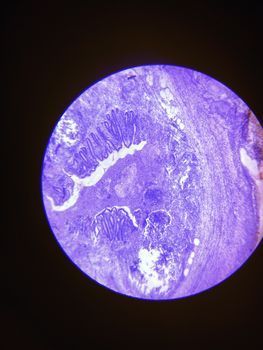
What is inverted papilloma?
Inverted (Schneiderian) papilloma is a benign epithelial tumor that grows inward into the underlying tissue rather than outward. It most often arises from the lateral nasal wall and spreads into the maxillary or ethmoid sinuses. Although not cancer, it is important for three reasons: it can erode bone, it recurs if any root is left, and it can coexist with or transform into squamous cell carcinoma in a minority of patients.
It is the most common of the benign sinonasal tumors treated by rhinologists.
Symptoms
- Persistent nasal blockage on one side
- Nasal discharge or postnasal drip
- Occasional blood-stained mucus or nosebleeds
- Reduced smell
- Facial pressure; rarely eye or tear-duct symptoms with larger tumors
Because these symptoms resemble chronic sinusitis, a one-sided "polyp" deserves careful evaluation.
Causes
The exact cause is uncertain. Human papillomavirus (HPV) has been detected in some tumors, and chronic inflammation and environmental exposures have been studied. It typically affects adults aged 40 to 70 and is more common in men.
How it is diagnosed at our Gangnam clinic
On nasal endoscopy, inverted papilloma often appears as a firm, irregular, mulberry-like mass, different from the smooth, glistening appearance of typical nasal polyps. A sinus CT scan shows the extent of the mass and characteristic focal bone thickening at its site of attachment. MRI may be arranged to distinguish tumor from trapped mucus. A biopsy confirms the diagnosis and checks for malignant change.
Treatment options
Medication does not shrink inverted papilloma. The standard treatment is complete surgical excision, today usually by an endoscopic approach through the nostrils. The surgeon removes the tumor together with its attachment site and drills the underlying bone to reduce recurrence. See sinonasal tumor removal for an overview.
Small, accessible tumors may be suitable for endoscopic removal at our clinic. Extensive tumors, those involving the frontal sinus, skull base or orbit, or any with suspected malignancy are referred to a university hospital for comprehensive care. Dr. Kim explains this plan openly.
Follow-up
After endoscopic removal, patients typically have some crusting and congestion for a few weeks and attend regular clinic visits for cleaning. Final pathology of the entire specimen is reviewed with you, because it determines how closely you need to be followed.
Recurrence can occur years later, so regular endoscopic examinations are recommended for several years, with imaging when needed.
When to see an ENT
Get evaluated if you have blockage on one side lasting more than a few weeks, especially with blood-stained discharge. Seek prompt care for facial numbness, swelling of the cheek, double vision, a bulging eye or loose upper teeth.
Seeing Dr. Kim in English
Dr. Kim Yoo Suk completed endoscopic skull base surgery training at the University of Pittsburgh Medical Center and served as a rhinology professor at Yonsei and Ajou. He explains biopsy and imaging findings in English and coordinates referral when needed. Learn more on our English-speaking ENT page.
Frequently asked questions
Is inverted papilloma cancer?
Inverted papilloma is classified as a benign tumor. However, a small percentage are associated with squamous cell carcinoma, either at diagnosis or later. That is why complete removal, pathology of all removed tissue and long-term follow-up are recommended.
Why does inverted papilloma come back?
Recurrence usually happens when part of the tumor or its attachment site is left behind. Removing the base and drilling the underlying bone lowers this risk. Regular endoscopy after surgery allows any regrowth to be found early while it is small.
Can it be treated without surgery?
No effective medical treatment exists for inverted papilloma. Sprays may ease associated inflammation but do not shrink the tumor. Surgical removal, most often endoscopic through the nose, remains the standard approach.
Your doctor
Dr. Kim Yoo Suk, MD
Board-certified otolaryngologist (ENT). Former clinical assistant professor at Yonsei University and assistant professor at Ajou University School of Medicine. Nose & sinus subspecialist who treats all ear, nose and throat conditions.
Consultations in English. Guide for international patients →
Visit us in Gangnam
2F HS Tower, 703 Seolleung-ro, Gangnam-gu, Seoul
Gangnam-gu Office Station (Line 7 / Suin-Bundang), Exit 3-1
Mon, Tue, Thu, Fri 9:00–19:00
Wed 14:00–19:00 · Sat 9:00–14:00
Closed Sundays & public holidays
This page is general medical information written and reviewed by an ENT specialist. It is not a diagnosis. Symptoms differ between people — please see a doctor for an examination. In an emergency in Korea, call 119.