
Sinonasal Tumor Removal in Gangnam, Seoul
Medically reviewed by Dr. Kim Yoo Suk, MD · Board-certified otolaryngologist · Former professor, Yonsei & Ajou University · Consultations in English
QUICK ANSWER
Sinonasal tumor removal is the surgical excision of growths in the nasal cavity or sinuses, such as inverted papilloma, osteoma or hemangioma. At Gangnam Yonsei ENT in Gangnam, Seoul, Dr. Kim Yoo Suk evaluates these lesions in English and removes suitable benign tumors endoscopically, referring complex or malignant cases to hospital teams.
What is sinonasal tumor removal?
Sinonasal tumors are abnormal growths arising in the nasal cavity or paranasal sinuses. Most encountered in outpatient practice are benign, but some can be locally aggressive or, rarely, malignant. Sinonasal tumor removal means excising the lesion completely, usually through an endoscopic approach via the nostrils. Endoscopic techniques allow precise removal with no facial incision, while preserving surrounding healthy structures.
Benign tumors covered by the clinic
- Inverted papilloma: a benign epithelial tumor that tends to recur and is occasionally associated with cancer, so complete removal and follow-up are essential.
- Osteoma: a slow-growing bony lesion, often in the frontal or ethmoid sinus.
- Hemangioma: a vascular lesion that may cause nosebleeds.
- Schwannoma: a nerve sheath tumor, uncommon in the nose.
- Fibrous dysplasia: a bone condition in which normal bone is replaced by fibrous tissue.
Who is it for?
Removal is considered when imaging and biopsy indicate a tumor that causes symptoms, grows, or carries a risk of transformation. Warning signs of sinonasal tumors include one-sided nasal blockage, one-sided bloody discharge or nosebleeds, facial numbness, tooth loosening, eye bulging or double vision. One-sided symptoms in an adult always deserve an ENT examination.
How it is done at our Gangnam clinic
Dr. Kim Yoo Suk trained in endoscopic skull base surgery at the University of Pittsburgh Medical Center and in endoscopic sinus surgery at Jikei University, and served as a rhinology faculty member at Yonsei and Ajou universities. Assessment includes:
- Nasal endoscopy to see the lesion directly
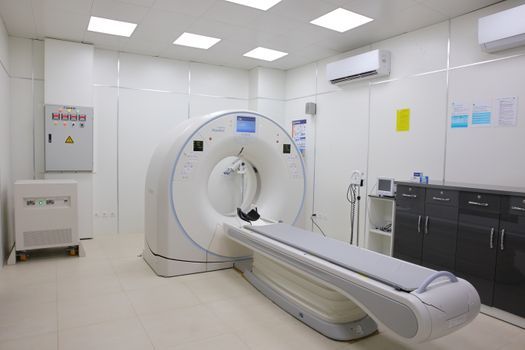
- Sinus CT, with MRI arranged when soft-tissue detail is needed
- Biopsy to establish the diagnosis
Small, well-defined benign lesions may be removed endoscopically under local anesthesia with same-day discharge, consistent with the clinic's surgical system. Larger tumors, those reaching the eye or skull base, or anything suspicious for malignancy are referred to a university hospital team for general anesthesia surgery and multidisciplinary care.
Recovery and aftercare
Aftercare resembles endoscopic sinus surgery: packing for a short period, saline rinses, crusting for a few weeks and regular endoscopic cleaning. Pathology from the removed tissue confirms the final diagnosis. Inverted papilloma in particular requires long-term endoscopic surveillance, often for years, because recurrence can appear late.
Risks and limitations
Risks include bleeding (higher with vascular tumors), infection, scarring, and, depending on location, injury near the eye or skull base. Some tumors recur even after careful removal. Imaging cannot always predict the final diagnosis, which is why pathology and follow-up matter. Seek prompt care for vision changes, severe headache or clear nasal fluid after surgery.
Practical information for foreign patients
Discussing a possible tumor in your own language reduces anxiety and misunderstanding. Dr. Kim explains findings, pathology and referral options in English, and the clinic can prepare English medical certificates and record copies to share with doctors in your home country. Read Dr. Kim's training history and visit the English-speaking patient page.
Frequently asked questions
Is a one-sided nasal blockage a sign of a tumor?
Usually it is caused by something common, such as a deviated septum or polyp, but persistent one-sided blockage, bleeding or facial numbness should be examined with endoscopy. Early evaluation helps rule out a tumor and avoids unnecessary worry.
Why does inverted papilloma need long-term follow-up?
Inverted papilloma has a tendency to recur, sometimes years later, and is occasionally associated with cancer. Regular endoscopic checks after removal allow any regrowth to be detected and treated early, while it is still small.
Will I need general anesthesia to remove a sinonasal tumor?
Small benign tumors may be removed under local anesthesia at the clinic. Larger lesions, those near the eye or skull base, or suspected cancers require hospital-based surgery under general anesthesia, and Dr. Kim can arrange an appropriate referral.
Your doctor
Dr. Kim Yoo Suk, MD
Board-certified otolaryngologist (ENT). Former clinical assistant professor at Yonsei University and assistant professor at Ajou University School of Medicine. Nose & sinus subspecialist who treats all ear, nose and throat conditions.
Consultations in English. Guide for international patients →
Visit us in Gangnam
2F HS Tower, 703 Seolleung-ro, Gangnam-gu, Seoul
Gangnam-gu Office Station (Line 7 / Suin-Bundang), Exit 3-1
Mon, Tue, Thu, Fri 9:00–19:00
Wed 14:00–19:00 · Sat 9:00–14:00
Closed Sundays & public holidays
This page is general medical information written and reviewed by an ENT specialist. It is not a diagnosis or a guarantee of results; every treatment carries risks, and suitability is decided only after an examination. In an emergency in Korea, call 119.