
Home › Surgery Center
Nasal & Sinus Surgery Center in Gangnam, Seoul
Functional nasal and sinus surgery is performed under local anesthesia by Dr. Kim Yoo Suk, a rhinology subspecialist and former university professor, with consultations in English.
Led by Dr. Kim Yoo Suk, MD · Board-certified otolaryngologist · Former professor, Yonsei & Ajou University · Consultations in English
QUICK ANSWER
The surgery center at Gangnam Yonsei ENT performs functional nasal operations, including septoplasty, turbinate reduction, endoscopic sinus surgery and nasal fracture reduction, under local anesthesia. Admission is same-day, most patients go home the same day without a guardian, and testing, consultation and surgery can take place on one visit when appropriate.
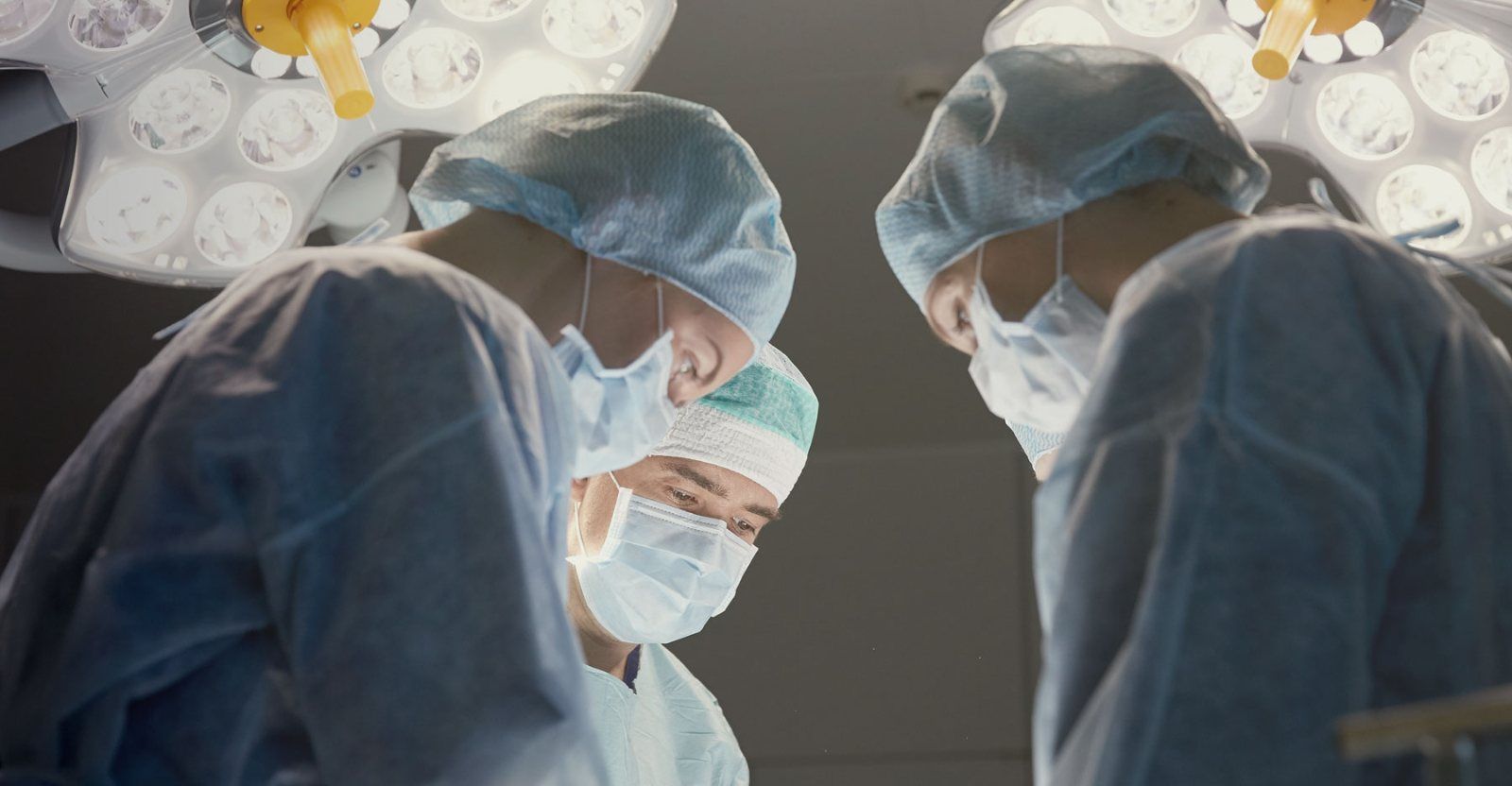
How surgery works at the clinic
The clinic performs functional (therapeutic) nasal surgeries, meaning operations intended to improve breathing, sinus drainage or nasal structure rather than appearance alone. Key features:
- Local anesthesia for nasal procedures
- Same-day admission , with most patients going home the same day
- No guardian needed for most patients
- Same-day system : testing, consultation and surgery can be completed on one day when clinically appropriate
- Parking fully covered by the clinic for surgery patients
All procedures are performed by Dr. Kim Yoo Suk , who performed septoplasty, rhinitis surgery and sinus surgery as a clinical assistant professor at Yonsei University and trained in endoscopic sinus surgery in Japan and endoscopic skull base surgery in the United States. Surgery is recommended only when it is needed, after medical treatment has been considered.
Turbinate reduction (rhinitis surgery)
- Used for: chronic congestion, allergic rhinitis or hypertrophic rhinitis , snoring and sleep apnea
- Anesthesia: local
- Operating time: 15–20 minutes
- Nasal packing: none
- Aftercare: avoid strenuous exercise, nose blowing and saunas for 1 week
- Recovery: crusting for about 2 weeks; weekly follow-up dressing
Full details: turbinate reduction surgery .
Turbinates are shelves of tissue on the side walls of the nose that swell with inflammation. Reduction shrinks the bulky tissue while preserving the lining that warms and humidifies air. Because no packing is used, most people breathe through the nose soon after the procedure, although swelling and crusts take time to settle.
Septoplasty
- Used for: a deviated septum causing congestion, snoring or obstructive sleep apnea
- Anesthesia: local
- Operating time: 20–30 minutes
- Nasal packing: both sides, for 1 day
- Aftercare: protect the nose from impact for 2 weeks
- Sutures: absorbable; dissolve in 2–3 weeks
Septoplasty straightens the cartilage and bone wall that divides the nostrils. It is often combined with turbinate reduction when both contribute to blockage. Full details: septoplasty .
Packing is removed the day after surgery, and you will be asked to avoid blows to the nose, contact sports and rubbing during the protection period. A follow-up visit checks healing.
Endoscopic sinus surgery
- Used for: nasal polyps , sinusitis that does not respond to medication , orbital or intracranial complications, fungal sinusitis and recurrent acute sinusitis
- Anesthesia: local
- Operating time: about 30 minutes for one side; about 1 hour for both
- Nasal packing: 1 day; absorbable packing used
- Medication: antibiotics for 1 week
- Recovery: crusting for 2–3 weeks; weekly follow-up
Before surgery, a sinus CT scan and nasal endoscopy map the disease. Full details: endoscopic sinus surgery .
The operation uses an endoscope through the nostrils, so there are no external incisions.
Nasal bone fracture reduction
- Used for: a nasal bone fracture confirmed by imaging
- Timing: ideally within 2 weeks of injury
- Anesthesia: local
- Operating time: about 15 minutes
- Nasal packing: 2 days
- External splint: 5 days
- Healing: the bone becomes stable at about 2 weeks
If a deformity remains after healing, rhinoplasty may be considered after 6 months or more. Full details: nasal fracture reduction .
Reduction realigns the broken nasal bones from inside the nose. Because fractures begin to set within a short time, seeing an ENT doctor soon after the injury matters. Avoid pressure on the nose, including resting glasses on it, while the bone heals.
Other procedures and planning
Additional surgical options, selected after examination, include:
- Nasal polyp removal
- Nasal valve reconstruction
- Snoring surgery
- Radiofrequency tongue base reduction
- Sinonasal tumor removal
- Tonsillectomy
- Myringotomy
For an overview of the process, see same-day local anesthesia surgery . All surgery carries risks such as bleeding, infection and the possibility that symptoms are not fully resolved; these are discussed before any decision. International patients should plan follow-up visits; see the international patient guide and location and parking .
Ask about the expected recovery for your procedure and how follow-up visits fit your travel or work schedule.
Frequently asked questions
Is nasal surgery done under general anesthesia?
The clinic's functional nasal surgeries, such as septoplasty, turbinate reduction, endoscopic sinus surgery and nasal fracture reduction, are performed under local anesthesia with same-day admission. Most patients go home the same day, and the anesthesia approach is explained during your consultation.
Do I need someone to take me home?
Most patients go home on the same day without a guardian. Your individual situation, including the procedure and how you feel afterward, will be discussed with you before surgery. Ask during your consultation if unsure.
Can I have tests and surgery on the same day?
The clinic uses a same-day testing, consultation and surgery system, so all three can take place on one visit when clinically appropriate. Whether surgery is suitable depends on your examination and test results.
How long will my nose be packed?
It depends on the procedure. Turbinate reduction uses no packing, septoplasty and endoscopic sinus surgery use packing for 1 day, and nasal fracture reduction uses packing for 2 days plus an external splint for 5 days.
Is parking available for surgery patients?
Yes. The building has a mechanical parking tower, and parking is fully covered by the clinic for surgery patients. Check vehicle size limits on the location page before driving. Mention it at reception.
See an English-speaking ENT in Gangnam, Seoul
Patients from around the world visit Dr. Kim Yoo Suk for nose, sinus, ear and throat problems. Message us on WhatsApp or walk in — 2 minutes from Gangnam-gu Office Station, Exit 3-1.