
Turbinate Reduction Surgery in Gangnam, Seoul
Medically reviewed by Dr. Kim Yoo Suk, MD · Board-certified otolaryngologist · Former professor, Yonsei & Ajou University · Consultations in English
QUICK ANSWER
Turbinate reduction surgery shrinks swollen inferior turbinates to open a blocked nasal airway. At Gangnam Yonsei ENT it is done under local anesthesia, takes about 15 to 20 minutes, needs no nasal packing, and most patients go home the same day after a consultation in English with Dr. Kim Yoo Suk.
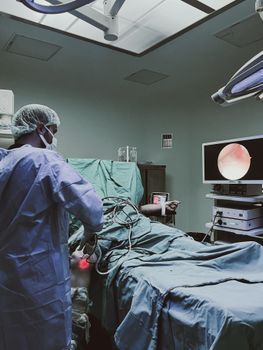
What is turbinate reduction surgery?
Turbinate reduction is a functional nasal operation that decreases the size of the inferior turbinates, the curved shelves of bone and mucosa on each side wall of the nose. Turbinates warm and humidify air, but when they stay chronically enlarged they block airflow. In Korea the procedure is often called "rhinitis surgery." The goal is to reduce bulky soft tissue while preserving the lining that keeps the nose healthy.
Who is it for?
Surgery is considered when congestion persists despite an adequate trial of medication. Typical candidates have:
- Hypertrophic rhinitis or chronic nasal congestion that sprays no longer control
- Allergic rhinitis with permanently swollen turbinates
- Nasal obstruction that contributes to snoring or sleep-disordered breathing
- Rebound swelling from decongestant overuse that does not settle after stopping the spray
Turbinate reduction is frequently combined with septoplasty when a deviated septum also narrows the airway.
How it is done at our Gangnam clinic
Dr. Kim Yoo Suk, a board-certified otolaryngologist and former clinical assistant professor at Yonsei University, performed rhinitis surgery as part of his rhinology subspecialty in university hospitals. Before booking surgery he reviews your history and examines the turbinates with nasal endoscopy; CT or allergy testing is added when needed.
- Anesthesia: local anesthesia with topical and injected numbing medication. You stay awake and comfortable.
- Procedure time: about 15 to 20 minutes.
- Packing: none. You breathe through your nose right after the operation.
- Discharge: same-day admission; most patients walk home without a guardian.
The clinic runs a same-day testing, consultation and surgery pathway, which helps visitors with limited time in Seoul. Learn more on our nasal and sinus surgery center page.
Recovery and aftercare
- Avoid strenuous exercise, forceful nose blowing and saunas for 1 week.
- Crusting inside the nose is normal and lasts about 2 weeks.
- Weekly follow-up visits allow gentle cleaning (dressing) of crusts.
- Saline irrigation is commonly advised to keep the lining moist.
Breathing usually improves progressively as crusts clear and healing completes.
Risks and limitations
Turbinate reduction is generally low-risk, but no surgery is risk-free. Possible issues include bleeding, temporary dryness, crusting, and regrowth of tissue over time, especially in ongoing allergy. Surgery does not cure allergy itself, so allergen avoidance or medication may still be needed. Over-aggressive removal can cause dryness, which is why a tissue-preserving technique is used. Seek care promptly for heavy bleeding that does not stop with pressure.
Practical information for foreign patients
Consultations are held in English, and an English medical certificate, receipts and copies of records can be issued for insurance claims. The clinic is on the 2nd floor of HS Tower, steps from Exit 3-1 of Gangnam-gu Office Station (Line 7 and Suin-Bundang Line). Surgery patients' parking is covered. See our guide for international patients and read about Dr. Kim's training before you visit.
Frequently asked questions
Will I need nasal packing after turbinate reduction?
No. Turbinate reduction at our clinic is done without nasal packing, so you can breathe through your nose immediately afterward. Expect some stuffiness from swelling and crusting during the first two weeks, which weekly follow-up cleaning helps resolve.
How soon can I fly after turbinate surgery?
Many patients can fly within days, but timing depends on bleeding, crusting and your follow-up schedule. Because weekly dressings help healing, discuss your travel dates with Dr. Kim during the consultation so the plan fits your itinerary in Seoul.
Does turbinate reduction cure allergic rhinitis?
No. It reduces the size of swollen turbinates and improves airflow, but it does not change the underlying allergy. Some patients still need allergen avoidance, nasal sprays or immunotherapy to control sneezing, itching and runny nose after surgery.
Your doctor
Dr. Kim Yoo Suk, MD
Board-certified otolaryngologist (ENT). Former clinical assistant professor at Yonsei University and assistant professor at Ajou University School of Medicine. Nose & sinus subspecialist who treats all ear, nose and throat conditions.
Consultations in English. Guide for international patients →
Visit us in Gangnam
2F HS Tower, 703 Seolleung-ro, Gangnam-gu, Seoul
Gangnam-gu Office Station (Line 7 / Suin-Bundang), Exit 3-1
Mon, Tue, Thu, Fri 9:00–19:00
Wed 14:00–19:00 · Sat 9:00–14:00
Closed Sundays & public holidays
This page is general medical information written and reviewed by an ENT specialist. It is not a diagnosis or a guarantee of results; every treatment carries risks, and suitability is decided only after an examination. In an emergency in Korea, call 119.