
Endoscopic Sinus Surgery in Gangnam, Seoul
Medically reviewed by Dr. Kim Yoo Suk, MD · Board-certified otolaryngologist · Former professor, Yonsei & Ajou University · Consultations in English
QUICK ANSWER
Endoscopic sinus surgery (ESS) uses a thin camera inside the nose to open blocked sinuses and remove polyps or diseased tissue. At Gangnam Yonsei ENT it is done under local anesthesia, takes about 30 minutes for one side or one hour for both, and uses absorbable packing for one day.
What is endoscopic sinus surgery?
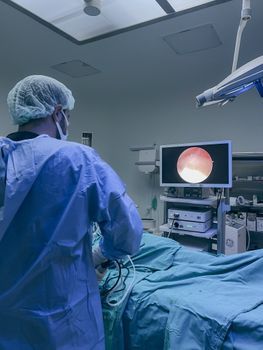
Endoscopic sinus surgery (ESS), also called functional endoscopic sinus surgery, is a minimally invasive operation performed entirely through the nostrils. Using a rigid endoscope and fine instruments, the surgeon widens the natural drainage pathways of the maxillary, ethmoid, frontal and sphenoid sinuses and removes polyps, thick mucus, fungal debris or diseased mucosa. There are no facial incisions. The aim is to restore ventilation and drainage so the sinus lining can recover.
Because the operation preserves healthy mucosa and works with the sinuses' natural mucus-clearing pathways, it is described as "functional." Image guidance from a preoperative CT helps the surgeon understand each patient's anatomy, which varies considerably from person to person. The extent of surgery is matched to the disease seen on imaging rather than applied in a fixed pattern.
Who is it for?
ESS is considered when sinus disease does not respond to adequate medical treatment or when complications are present. Indications include:
- Chronic sinusitis that persists despite medication
- Nasal polyps causing blockage or loss of smell
- Fungal sinusitis(fungus ball)
- Recurrent acute sinusitis episodes
- Orbital or intracranial complications of sinusitis, which need urgent care
How it is done at our Gangnam clinic
Dr. Kim Yoo Suk trained in endoscopic sinus surgery at Jikei University in Japan and in endoscopic skull base surgery at the University of Pittsburgh Medical Center, and practiced sinus surgery as a rhinology faculty member at Yonsei and Ajou. Planning relies on nasal endoscopy and a sinus CT scan that maps the anatomy.
- Anesthesia: local anesthesia.
- Time: about 30 minutes for one side, about 1 hour for both sides.
- Packing: absorbable packing, with packing kept for 1 day.
- Medication: antibiotics for 1 week.
- Discharge: same-day; most patients leave without a guardian.
Recovery and aftercare
Crusting inside the nose typically lasts 2 to 3 weeks. Weekly follow-up visits allow endoscopic cleaning of crusts and clots, which supports healing and helps prevent scarring. Saline rinses are usually recommended. Avoid forceful nose blowing, strenuous exercise and hot saunas in the early period. Long-term control of chronic sinusitis or polyps often still requires topical steroid sprays.
Risks and limitations
ESS is a well-established operation, but risks exist because the sinuses lie next to the eyes and skull base. Possible complications include bleeding, infection, scarring that narrows sinus openings, and, rarely, injury to the orbit or a cerebrospinal fluid leak. Polyps can recur, particularly with asthma or eosinophilic disease. Seek help promptly for vision changes, eye swelling, clear watery drainage or severe headache after surgery.
Practical information for foreign patients
The clinic offers same-day testing, consultation and surgery, which suits patients on a schedule. Plan to stay for the packing check and ideally at least one weekly follow-up. Discussion in English, English medical certificates and itemized receipts are available. Read more on our surgery center page, review Dr. Kim's profile, or see the international patient guide.
Frequently asked questions
Is endoscopic sinus surgery painful under local anesthesia?
The nose is numbed with topical and injected anesthetic, so most patients feel pressure rather than sharp pain. Afterward, discomfort is usually mild to moderate and managed with oral pain relief. Dr. Kim explains each step in English during the procedure.
Will my nasal polyps come back after surgery?
They can. Surgery removes polyps and opens the sinuses, but the underlying inflammation may persist, especially with asthma. Ongoing steroid sprays, saline rinses and regular checkups help reduce recurrence. Your follow-up plan is tailored to the findings.
How many follow-up visits are needed after sinus surgery?
Weekly follow-up visits are recommended while crusting is present, usually two to three weeks. If you live abroad, discuss your travel dates beforehand so Dr. Kim can plan cleaning visits and give written aftercare instructions in English.
Your doctor
Dr. Kim Yoo Suk, MD
Board-certified otolaryngologist (ENT). Former clinical assistant professor at Yonsei University and assistant professor at Ajou University School of Medicine. Nose & sinus subspecialist who treats all ear, nose and throat conditions.
Consultations in English. Guide for international patients →
Visit us in Gangnam
2F HS Tower, 703 Seolleung-ro, Gangnam-gu, Seoul
Gangnam-gu Office Station (Line 7 / Suin-Bundang), Exit 3-1
Mon, Tue, Thu, Fri 9:00–19:00
Wed 14:00–19:00 · Sat 9:00–14:00
Closed Sundays & public holidays
Related pages
This page is general medical information written and reviewed by an ENT specialist. It is not a diagnosis or a guarantee of results; every treatment carries risks, and suitability is decided only after an examination. In an emergency in Korea, call 119.