
Smell Test (Olfactory Testing) in Gangnam, Seoul
Medically reviewed by Dr. Kim Yoo Suk, MD · Board-certified otolaryngologist · Former professor, Yonsei & Ajou University · Consultations in English
QUICK ANSWER
A smell test is a standardized olfactory examination that measures how well you detect and identify odors. At Gangnam Yonsei ENT in Gangnam, Seoul, it is used with nasal endoscopy to evaluate loss of smell, and Dr. Kim Yoo Suk explains the findings and recovery options in English.
What is a smell test?
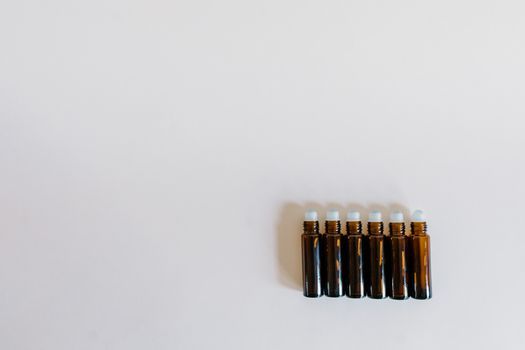
A smell test, or olfactory test, objectively measures your sense of smell rather than relying on self-report alone. Standardized tests usually assess one or more of the following:
- Threshold: the weakest concentration of an odor you can detect.
- Discrimination: whether you can tell different odors apart.
- Identification: naming common odors from a list of choices.
Scores are compared with age-adjusted norms and classified as normal smell (normosmia), reduced smell (hyposmia) or absent smell (anosmia). Repeating the test over time tracks recovery or the effect of treatment. Objective scores are also useful because many people underestimate or overestimate their own smell, and a measured baseline makes later comparisons meaningful. Smell matters for safety too, since it warns of smoke, gas leaks and spoiled food.
Who is it for?
Olfactory testing is recommended for people with:
- Loss of smell lasting more than a few weeks
- Smell change after a viral infection or common cold
- Chronic sinusitis or nasal polyps, before and after treatment
- Distorted smells (parosmia) or phantom odors
- Smell loss after head injury
How it is done at our Gangnam clinic
Dr. Kim Yoo Suk is a rhinology subspecialist and former Yonsei and Ajou University faculty member. Because smell loss can be conductive (odors cannot reach the olfactory cleft) or sensorineural (damage to the olfactory nerve cells), testing is paired with nasal endoscopy to look for polyps, swelling or blockage high in the nose. A sinus CT may be added when sinus disease is suspected.
During the test, you sniff a series of odor samples presented one at a time and answer questions about each. It is noninvasive and typically takes a short appointment. Because taste perception depends heavily on smell, a taste test may also be suggested if you report flavor changes.
The olfactory test is a non-covered (non-insured) item at the clinic; staff can explain fees in advance.
What happens next
Treatment depends on the cause. Inflammatory causes may respond to steroid sprays, short courses of oral steroids or surgery for polyps. Post-viral smell loss often improves gradually over months, and olfactory training (regularly sniffing a set of strong odors) is a widely recommended, low-risk approach.
Risks and limitations
The test has no physical risks. Results can be affected by a temporary cold, smoking, or unfamiliarity with certain odors, so cultural differences are considered during interpretation. A test measures function; it does not by itself reveal the cause, which is why examination and imaging matter. See a doctor promptly if smell loss comes with neurological symptoms, one-sided nasal bleeding or a severe headache.
Practical information for foreign patients
Instructions and results are explained in English, and a written report can be provided for your records. Learn more about Dr. Kim's background or plan your visit with the location and hours page.
Frequently asked questions
How long does it take for smell to come back after a virus?
Many people recover smell within weeks to months after a viral infection, but some take a year or longer, and recovery may be partial. Testing provides a baseline, and olfactory training is often recommended to support recovery.
Is olfactory testing covered by insurance in Korea?
At our clinic, the olfactory test is listed as a non-covered item under national health insurance. Staff can explain the fee before testing, and receipts and English documents are available for private insurance claims.
Can nasal polyps cause loss of smell?
Yes. Polyps can block airflow to the olfactory cleft high in the nose and are associated with inflammation that affects smell cells. Treating polyps with steroids or surgery often improves smell, though recovery varies between individuals.
Your doctor
Dr. Kim Yoo Suk, MD
Board-certified otolaryngologist (ENT). Former clinical assistant professor at Yonsei University and assistant professor at Ajou University School of Medicine. Nose & sinus subspecialist who treats all ear, nose and throat conditions.
Consultations in English. Guide for international patients →
Visit us in Gangnam
2F HS Tower, 703 Seolleung-ro, Gangnam-gu, Seoul
Gangnam-gu Office Station (Line 7 / Suin-Bundang), Exit 3-1
Mon, Tue, Thu, Fri 9:00–19:00
Wed 14:00–19:00 · Sat 9:00–14:00
Closed Sundays & public holidays
This page is general medical information written and reviewed by an ENT specialist. It is not a diagnosis or a guarantee of results; every treatment carries risks, and suitability is decided only after an examination. In an emergency in Korea, call 119.