
Do Nasal Polyps Come Back After Removal? An ENT in Gangnam, Seoul Answers
Answered by Dr. Kim Yoo Suk, MD · Board-certified otolaryngologist · Former professor, Yonsei & Ajou University · Consultations in English
SHORT ANSWER
Nasal polyps can come back after removal, because surgery clears the polyps but does not switch off the chronic inflammation that produces them. Recurrence is more likely with asthma, aspirin sensitivity, or eosinophilic inflammation. Regular steroid sprays, saline irrigation, and follow-up endoscopy after surgery lower the risk and catch regrowth early.
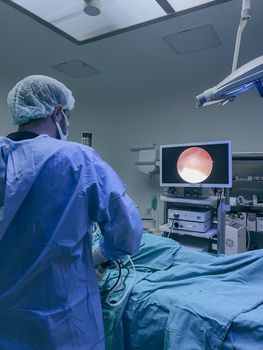
Yes, polyps can recur, and here is why
Nasal polyps are soft, painless, teardrop-shaped swellings of the nasal and sinus lining. They are not tumors. They form as a result of long-standing inflammation, most often as part of chronic rhinosinusitis with nasal polyps. Because the underlying inflammation is a tendency of the lining itself, removing the polyps does not cure the condition that caused them.
Who is more likely to have recurrence?
Recurrence varies widely between people. It tends to be more likely in those with:
- Asthma, especially adult-onset asthma
- Aspirin or NSAID sensitivity (aspirin-exacerbated respiratory disease)
- Eosinophilic inflammation, a type of allergic-pattern inflammation seen on tissue analysis
- Extensive polyps involving many sinuses at the time of surgery
- Smoking or ongoing exposure to airway irritants
- Stopping maintenance treatment after surgery
People with a single polyp from a localized cause, such as an antrochoanal polyp, generally have lower recurrence once it is fully removed.
Why surgery still matters
If recurrence is possible, why operate? Because large polyps block airflow and sinus drainage, and medication sprays cannot reach a sinus that is completely obstructed. Endoscopic sinus surgery opens the sinuses and removes polyp tissue, which restores breathing and creates wide pathways so that steroid sprays and rinses can reach the lining afterward. Surgery and medical treatment work as a team.
How to reduce the chance of polyps returning
- Use a steroid nasal spray daily as prescribed, even when you feel well.
- Rinse with saline, especially in the first weeks after surgery and on high fine dust days.
- Control allergies and asthma together with your doctors.
- Attend follow-up endoscopy visits so small regrowth can be treated early with medication.
- Avoid smoking and secondhand smoke.
What we do at Gangnam Yonsei ENT
Dr. Kim Yoo Suk trained in endoscopic sinus surgery at Jikei University in Japan and endoscopic skull base surgery at the University of Pittsburgh Medical Center, and has published research on chronic rhinosinusitis. At our clinic, evaluation starts with a nasal endoscopy and a sinus CT scan to see the extent of disease. An allergy test may also be helpful.
Smaller polyps are often treated first with medication. When surgery is needed, nasal polyp removal is done under local anesthesia, usually taking about 30 minutes for one side or about an hour for both, with weekly follow-up visits afterward.
When to see an ENT promptly
Polyps on only one side, bleeding, facial numbness, or visual changes need prompt assessment, because one-sided masses can occasionally be something other than a polyp, such as an inverted papilloma. A sudden loss of smell with new nasal blockage also deserves a timely visit rather than waiting for it to pass.
Consultations are in English near Gangnam-gu Office Station. See our English-speaking ENT page or read whether a lost sense of smell can return.
Related questions
Can nasal polyps shrink without surgery?
Often, yes. Steroid nasal sprays can shrink small to moderate polyps, and a short course of oral steroids may reduce them temporarily. Large polyps that completely block the nose usually need surgery so that sprays can reach the lining.
Are nasal polyps cancerous?
Typical inflammatory polyps on both sides of the nose are benign. A growth on only one side, especially with bleeding or pain, should be examined and sometimes biopsied to rule out a tumor such as inverted papilloma.
How often should I have follow-up after polyp surgery?
Follow-up is typically weekly in the first weeks after surgery to clean crusts and check healing, then spaced out over months. Long-term periodic endoscopy helps detect early regrowth when it is easiest to control with medication.
Your doctor
Dr. Kim Yoo Suk, MD
Board-certified otolaryngologist (ENT). Former clinical assistant professor at Yonsei University and assistant professor at Ajou University School of Medicine. Nose & sinus subspecialist who treats all ear, nose and throat conditions.
Consultations in English. Guide for international patients →
Visit us in Gangnam
2F HS Tower, 703 Seolleung-ro, Gangnam-gu, Seoul
Gangnam-gu Office Station (Line 7 / Suin-Bundang), Exit 3-1
Mon, Tue, Thu, Fri 9:00–19:00
Wed 14:00–19:00 · Sat 9:00–14:00
Closed Sundays & public holidays
This answer is general medical information written and reviewed by an ENT specialist. It is not a diagnosis. Please see a doctor for an examination. In an emergency in Korea, call 119.