
What Is Recovery Like After Endoscopic Sinus Surgery in Gangnam, Seoul?
Answered by Dr. Kim Yoo Suk, MD · Board-certified otolaryngologist · Former professor, Yonsei & Ajou University · Consultations in English
SHORT ANSWER
Recovery after endoscopic sinus surgery is gradual. At Gangnam Yonsei ENT Clinic, surgery takes about 30 minutes per side under local anesthesia, absorbable packing stays for one day, antibiotics are taken for a week, and crusting lasts two to three weeks with weekly follow-up cleaning. Most patients go home the same day.
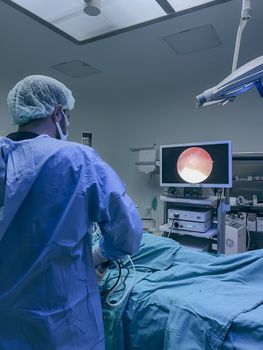
Recovery in phases
Endoscopic sinus surgery (ESS) opens blocked sinus drainage pathways and removes diseased tissue such as polyps, using a thin endoscope through the nostrils with no external cuts. It is offered when chronic sinusitis has not responded to adequate medical treatment, or for nasal polyps, fungal sinusitis, recurrent acute sinusitis or complications affecting the eye or skull.
Typical timeline at our clinic
- Surgery day: local anesthesia; about 30 minutes for one side or about one hour for both. Most patients go home the same day.
- Day 1: packing is removed. Absorbable packing is used, which reduces discomfort.
- First week: antibiotics are taken for one week. Congestion, mild pressure, blood-tinged drainage and tiredness are common.
- Weeks 1–3: crusts form and gradually clear. Weekly follow-up visits allow gentle cleaning.
- Following weeks: the lining continues to heal; breathing, drainage and sometimes smell improve.
Why follow-up cleaning matters
After ESS, crusts and mucus can collect in the newly opened sinus cavities. If left, they may cause scar bands (adhesions) that narrow the openings again. Weekly follow-up lets the surgeon remove crusts under endoscopic view and check that the sinuses are healing open. This aftercare is a core part of a good outcome, not an optional extra.
Aftercare at home
- Use saline rinses as instructed to clear mucus and soften crusts.
- Take the full antibiotic course and any prescribed sprays.
- Do not blow your nose forcefully; sneeze with your mouth open.
- Avoid strenuous exercise, heavy lifting, saunas and flights in early recovery.
- Sleep with your head raised for the first few nights.
What we do at Gangnam Yonsei ENT
Dr. Kim Yoo Suk trained in endoscopic sinus surgery at Jikei University in Japan and in endoscopic skull base surgery at the University of Pittsburgh Medical Center, and he practiced rhinology as a faculty member at Yonsei and Ajou Universities. He has also published research on the diagnosis of chronic rhinosinusitis.
Before recommending endoscopic sinus surgery, he confirms the diagnosis with nasal endoscopy and a sinus CT scan and makes sure appropriate medication has been tried. Surgery is functional and done under local anesthesia. Instructions and follow-up discussions are in English.
Long-term expectations
Surgery improves drainage and allows medicated rinses and sprays to reach the sinuses better. For chronic inflammatory conditions, especially with polyps, ongoing medical treatment is often still needed to keep disease under control. Polyps can recur in some people. Dr. Kim explains these limitations honestly before surgery.
Warning signs
Seek urgent care for heavy bleeding, fever, swelling or bruising around the eye, double or reduced vision, severe headache, neck stiffness, or clear watery drainage from the nose. Contact details are on the location and hours page.
Related: flying after sinus surgery and bleeding after surgery.
Related questions
Is endoscopic sinus surgery painful?
Most patients describe pressure and congestion rather than severe pain. The procedure is done under local anesthesia, and prescribed pain relief usually controls discomfort afterward. Absorbable packing, removed after one day, helps keep the first day more comfortable.
How many follow-up visits will I need?
Expect weekly follow-up during the crusting phase, which typically lasts two to three weeks, and further reviews as needed. The exact number depends on how quickly you heal and the extent of the disease treated.
Will my sense of smell come back after sinus surgery?
Smell often improves when polyps or swelling blocking the smell area are cleared, but recovery varies and cannot be promised. A smell test before and after surgery can help track changes. Dr. Kim will discuss realistic expectations.
Your doctor
Dr. Kim Yoo Suk, MD
Board-certified otolaryngologist (ENT). Former clinical assistant professor at Yonsei University and assistant professor at Ajou University School of Medicine. Nose & sinus subspecialist who treats all ear, nose and throat conditions.
Consultations in English. Guide for international patients →
Visit us in Gangnam
2F HS Tower, 703 Seolleung-ro, Gangnam-gu, Seoul
Gangnam-gu Office Station (Line 7 / Suin-Bundang), Exit 3-1
Mon, Tue, Thu, Fri 9:00–19:00
Wed 14:00–19:00 · Sat 9:00–14:00
Closed Sundays & public holidays
This answer is general medical information written and reviewed by an ENT specialist. It is not a diagnosis. Please see a doctor for an examination. In an emergency in Korea, call 119.