
Can I Fly After Nasal or Sinus Surgery in Gangnam, Seoul?
Answered by Dr. Kim Yoo Suk, MD · Board-certified otolaryngologist · Former professor, Yonsei & Ajou University · Consultations in English
SHORT ANSWER
Usually not in the first days. Most surgeons advise waiting until packing is out, early bleeding risk has passed and the first follow-up confirms healing, often one to two weeks after septoplasty or sinus surgery. The safe timing depends on the procedure, so ask Dr. Kim Yoo Suk for a plan before booking flights.
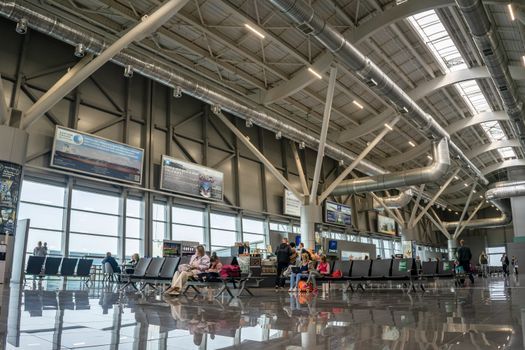
Wait until early healing is confirmed
Air travel after nasal surgery is a common question for expats, business travelers and anyone with a trip planned. Cabin pressure changes, dry air and long periods of sitting can all affect a freshly operated nose. The main concerns in the first days are bleeding, pressure pain in the sinuses and ears, and being far from your surgeon if something goes wrong.
Why the first days matter most
- Bleeding: risk is highest soon after surgery and around the time crusts loosen.
- Pressure: swollen tissue can block sinus openings and the Eustachian tube, causing pain on descent or airplane ear.
- Dryness: cabin air dries crusts, which can increase discomfort and blockage.
- Follow-up: packing removal and cleaning are ideally done by your surgeon.
General timing by procedure
Exact advice is individual, but as a guide based on our clinic's protocols:
- Turbinate reduction: no packing; avoid strain for one week, crusting for about two weeks.
- Septoplasty: packing for one day; protect the nose for two weeks.
- Endoscopic sinus surgery: packing for one day, antibiotics for one week, crusting for two to three weeks.
- Nasal fracture reduction: packing for two days, external splint for five days.
Short domestic flights may be considered sooner than long-haul trips, but only after your doctor has checked the nose.
What we do at Gangnam Yonsei ENT
Dr. Kim Yoo Suk, a board-certified otolaryngologist and former rhinology faculty member at Yonsei and Ajou Universities, asks about travel plans at the consultation, not after surgery. If you have a fixed departure date, he will help you decide whether to operate now, after your trip, or whether medication can bridge the gap.
After surgery, follow-up visits let him clean crusts and confirm healing. When you are ready to fly, he can advise on saline sprays during the flight, how to manage ear pressure, and what warning signs to watch for. If an airline or insurer needs documentation, an English medical certificate is available.
Ears and sinuses on descent
Most pressure discomfort happens as the plane descends, when air must flow back into the middle ear and sinuses. After nasal surgery, swelling around the sinus openings and the back of the nose can slow this. Staying awake during descent, swallowing frequently and using any spray your doctor has recommended at the right time can make a real difference. If you also have Eustachian tube dysfunction, mention it, because it changes the advice.
Tips for your first flight after surgery
- Use saline spray before and during the flight to keep the nose moist.
- Stay hydrated and limit alcohol.
- Swallow, yawn or chew gum on descent; do not blow your nose forcefully.
- Carry gauze and your prescribed medicines in your hand luggage.
- Bring copies of your operative notes in case you need care abroad.
See also how long to stay in Seoul before flying home.
Red flags
Do not fly, and seek medical care, if you have active bleeding, fever, severe facial or ear pain, vision changes or clear watery discharge. Contact details are on the location and hours page.
Related questions
Can I take a domestic flight within Korea after surgery?
Short flights carry less risk than long-haul trips, but the same principles apply. Wait until packing is out and Dr. Kim has checked the nose. Discuss any planned domestic flights, for example to Jeju, during your consultation.
What if I get a nosebleed on the plane?
Sit upright, lean slightly forward and pinch the soft part of the nose firmly for 10 to 15 minutes. Inform the cabin crew. Persistent or heavy bleeding needs medical attention as soon as possible after landing.
Do I need a fit-to-fly letter?
Most airlines do not require one after nasal surgery, but some insurers or airlines may ask. If you need a document, request an English medical certificate during your follow-up visit so Dr. Kim can state his findings.
Your doctor
Dr. Kim Yoo Suk, MD
Board-certified otolaryngologist (ENT). Former clinical assistant professor at Yonsei University and assistant professor at Ajou University School of Medicine. Nose & sinus subspecialist who treats all ear, nose and throat conditions.
Consultations in English. Guide for international patients →
Visit us in Gangnam
2F HS Tower, 703 Seolleung-ro, Gangnam-gu, Seoul
Gangnam-gu Office Station (Line 7 / Suin-Bundang), Exit 3-1
Mon, Tue, Thu, Fri 9:00–19:00
Wed 14:00–19:00 · Sat 9:00–14:00
Closed Sundays & public holidays
This answer is general medical information written and reviewed by an ENT specialist. It is not a diagnosis. Please see a doctor for an examination. In an emergency in Korea, call 119.