
Airplane Ear (Ear Barotrauma) Treatment in Gangnam, Seoul
Medically reviewed by Dr. Kim Yoo Suk, MD · Board-certified otolaryngologist · Former professor, Yonsei & Ajou University · Consultations in English
QUICK ANSWER
Airplane ear (ear barotrauma) is ear pain, fullness and muffled hearing caused by rapid air pressure changes during takeoff and especially landing, when the Eustachian tube cannot equalize pressure. Most cases resolve within hours to days. Persistent pain, hearing loss or dizziness after a flight should be checked by an ENT.
What is airplane ear?
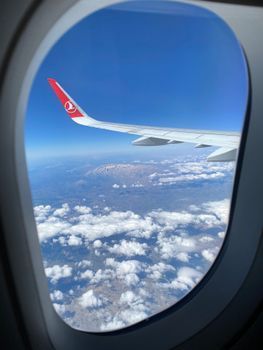
Airplane ear, medically called ear barotrauma or barotitis media, is injury or discomfort caused by a pressure difference between the air in the middle ear and the air outside. Normally, the Eustachian tube opens when you swallow or yawn to balance pressure. During descent, cabin pressure rises quickly; if the tube cannot open, the eardrum is pushed inward, causing pain.
It is especially relevant for international travelers arriving in Seoul after long-haul flights, often with a cold or allergies picked up on the way.
Symptoms
- Ear pain or pressure, usually worst during landing
- Blocked or full feeling
- Muffled hearing
- Mild dizziness
- In more severe cases: strong pain, bleeding from the ear, tinnitus, or vertigo
Causes and risk factors
- Flying with a cold, allergic rhinitis or sinus infection
- Sleeping during descent, which means fewer swallows
- Pre-existing Eustachian tube dysfunction or nasal obstruction
- Diving, mountain driving and high-speed elevators can cause similar problems
- Young children, whose Eustachian tubes are narrower
How it's diagnosed at our Gangnam clinic
Dr. Kim examines the eardrum for retraction, redness, bleeding behind the drum or fluid, and checks for an eardrum perforation. Tympanometry measures middle ear pressure and a hearing test determines whether hearing loss is conductive, as expected with fluid, or sensorineural, which suggests inner ear injury and needs urgent attention. Because blocked noses are behind many cases, he also examines the nasal passages, using nasal endoscopy if needed.
Treatment options
- Self-care for mild cases: swallowing, yawning, chewing gum and gentle Valsalva maneuvers
- Nasal treatment: nasal steroid sprays, saline and short-term decongestants to open the Eustachian tube
- Pain relief: over-the-counter pain relievers
- Middle ear fluid: observation, or myringotomy if fluid and pressure persist
- Inner ear injury: urgent evaluation and treatment, avoiding further flights or diving until cleared
Prevention tips for your next flight
- Stay awake during descent and swallow or yawn frequently
- Use a decongestant nasal spray about an hour before landing if your doctor agrees
- Consider pressure-regulating earplugs
- Postpone flying when you have a bad cold or sinus infection, if possible
When to see an ENT
See an ENT if ear pain, fullness or muffled hearing lasts more than a few days after flying, or before your next flight if your ears were badly affected. Seek prompt care for severe pain, bleeding or discharge, sudden hearing loss, persistent tinnitus or vertigo.
Seeing Dr. Kim in English
For travelers and business visitors, Dr. Kim Yoo Suk offers English consultations and can advise whether it is safe to fly home. A former Yonsei and Ajou professor, he is a rhinology subspecialist who treats all ENT conditions. An English medical certificate is available for trip changes or insurance; see our foreign patients guide.
Frequently asked questions
Can I fly home with airplane ear?
Mild symptoms that are improving usually allow travel with precautions. If you have significant pain, fluid behind the eardrum, a perforation or dizziness, see an ENT first. Dr. Kim can advise and provide an English medical certificate if your plans must change.
How long does airplane ear last?
Most mild cases resolve within hours to a few days. If middle ear fluid develops, muffled hearing can last a few weeks. Symptoms persisting beyond a few days, or hearing loss and vertigo, should be checked by an ENT.
How can I prevent ear pain when flying?
Swallow, yawn or chew gum during descent, stay awake for landing, and consider pressure-regulating earplugs. If you have a cold or allergies, ask a doctor about a nasal spray before the flight. Avoid flying with a severe cold if possible.
Your doctor
Dr. Kim Yoo Suk, MD
Board-certified otolaryngologist (ENT). Former clinical assistant professor at Yonsei University and assistant professor at Ajou University School of Medicine. Nose & sinus subspecialist who treats all ear, nose and throat conditions.
Consultations in English. Guide for international patients →
Visit us in Gangnam
2F HS Tower, 703 Seolleung-ro, Gangnam-gu, Seoul
Gangnam-gu Office Station (Line 7 / Suin-Bundang), Exit 3-1
Mon, Tue, Thu, Fri 9:00–19:00
Wed 14:00–19:00 · Sat 9:00–14:00
Closed Sundays & public holidays
Related pages
This page is general medical information written and reviewed by an ENT specialist. It is not a diagnosis. Symptoms differ between people — please see a doctor for an examination. In an emergency in Korea, call 119.