
How Much Bleeding Is Normal After Nasal Surgery in Gangnam, Seoul?
Answered by Dr. Kim Yoo Suk, MD · Board-certified otolaryngologist · Former professor, Yonsei & Ajou University · Consultations in English
SHORT ANSWER
Light, blood-tinged oozing for the first day or two after nasal surgery is normal, and old dark spots can appear as crusts loosen. Steady bright red bleeding that soaks gauze quickly, runs down the throat or does not slow after 15 minutes of rest and gentle pressure is not normal and needs prompt medical attention.
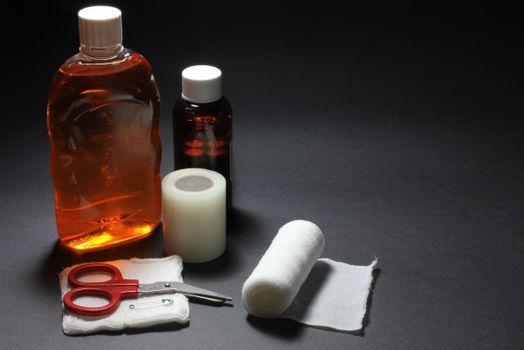
Some oozing is expected
The inside of the nose has a rich blood supply, so a small amount of bleeding after surgery is normal. Knowing the difference between expected oozing and significant bleeding helps you stay calm and act quickly when needed.
What is usually normal
- Blood-tinged watery drainage on the gauze under the nose for the first one to two days
- Spitting out small amounts of blood-stained mucus from the back of the throat
- Small dark clots or brown crusts coming out in the first weeks
- A little fresh spotting when crusts loosen, which settles quickly with rest
What is not normal
- Bright red bleeding soaking a gauze pad in minutes
- Continuous blood running down the back of the throat
- Bleeding that does not slow after 15 minutes of rest and gentle pressure
- Feeling faint, dizzy or very pale
If this happens, contact the clinic during opening hours or go to the nearest emergency department.
What to do if bleeding starts
- Sit upright and lean slightly forward. Do not lie flat or tilt your head back.
- Spit out blood rather than swallowing it, which can cause nausea.
- Apply a cold pack to the bridge of the nose.
- If advised by your surgeon, use a decongestant spray as instructed.
- If no packing or splint is in place and your doctor has allowed it, pinch the soft part of the nose gently.
- Stay calm and rest; anxiety raises blood pressure.
Reducing the risk of bleeding
- Do not blow your nose; sneeze with your mouth open.
- Avoid bending, lifting and strenuous exercise in the first week.
- Skip saunas, hot baths and very hot drinks early on.
- Avoid alcohol and smoking.
- Take only the pain relievers recommended for you.
- Keep the nose moist with saline as instructed, so crusts soften instead of tearing.
What we do at Gangnam Yonsei ENT
Dr. Kim Yoo Suk, a board-certified ENT surgeon and former assistant professor at Ajou University School of Medicine, reviews blood-thinning medicines and medical conditions before surgery to reduce bleeding risk. Packing is used for one day after septoplasty and endoscopic sinus surgery and for two days after nasal fracture reduction, specifically to control early bleeding. Turbinate reduction is performed without packing.
You are observed before going home and given English instructions on what to expect. Follow-up visits allow crusts to be removed gently under direct view, which lowers the chance of bleeding from crusts being picked or torn at home. If you have a bleeding episode, the clinic can assess it; nosebleed management is part of everyday ENT care, as described on our nosebleed treatment page.
When bleeding happens outside clinic hours
On Sundays, holidays or at night, go to a hospital emergency department for heavy bleeding. Bring your surgery documents if possible. The clinic's hours are on the location and hours page.
Related: nasal packing after surgery.
Related questions
Is it normal to cough up blood after nasal surgery?
Small amounts of blood-stained mucus from the back of the nose are common in the first days. Continuous fresh blood running down the throat is not normal. Sit upright, spit it out, and seek medical care promptly if it continues.
When is the risk of bleeding highest?
Bleeding risk is greatest in the first day or two and again when crusts begin to separate, often within the first two weeks. Following activity restrictions during this period and attending follow-up for crust care both help lower the risk.
Should I stop my blood thinner after surgery?
Do not stop or restart blood thinners on your own. Decisions about these medicines are made before surgery together with the doctor who prescribes them. Ask Dr. Kim exactly when your usual medicines can be resumed.
Your doctor
Dr. Kim Yoo Suk, MD
Board-certified otolaryngologist (ENT). Former clinical assistant professor at Yonsei University and assistant professor at Ajou University School of Medicine. Nose & sinus subspecialist who treats all ear, nose and throat conditions.
Consultations in English. Guide for international patients →
Visit us in Gangnam
2F HS Tower, 703 Seolleung-ro, Gangnam-gu, Seoul
Gangnam-gu Office Station (Line 7 / Suin-Bundang), Exit 3-1
Mon, Tue, Thu, Fri 9:00–19:00
Wed 14:00–19:00 · Sat 9:00–14:00
Closed Sundays & public holidays
This answer is general medical information written and reviewed by an ENT specialist. It is not a diagnosis. Please see a doctor for an examination. In an emergency in Korea, call 119.