
Can a Dental Implant or Tooth Cause Sinusitis? An ENT in Gangnam, Seoul Explains
Answered by Dr. Kim Yoo Suk, MD · Board-certified otolaryngologist · Former professor, Yonsei & Ajou University · Consultations in English
SHORT ANSWER
Yes. Upper back teeth sit just below the maxillary sinus, so a tooth infection, a dental implant or bone graft that enters the sinus, or a tooth extraction can cause odontogenic sinusitis. It typically affects one side, with foul-smelling discharge, bad taste, and cheek pressure, and often needs both ENT and dental treatment.
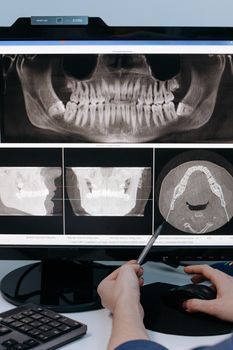
Your upper teeth and sinus are close neighbors
The roots of the upper molars and premolars lie directly beneath the floor of the maxillary sinus, the large sinus in each cheek. In some people the bone between them is paper thin. Problems in these teeth can therefore spread into the sinus, causing what doctors call odontogenic sinusitis. It is an important and often overlooked cause of one-sided sinus disease.
Dental causes of sinusitis
- Infected upper tooth roots or abscesses
- Root canal treatment complications
- Tooth extraction creating an opening between the mouth and sinus
- Dental implants that penetrate the sinus floor
- Sinus lift or bone graft material migrating into the sinus
- Gum disease around upper back teeth
Our clinic's sinusitis program specifically includes dental implant-related sinusitis, which has become more common as implants are widely used.
Typical symptoms
- Symptoms mainly on one side
- Foul-smelling nasal discharge or bad taste in the mouth
- Cheek pain or pressure, sometimes upper tooth pain
- Postnasal drip
- Symptoms that started after dental work
- Poor response to repeated antibiotic courses
Why it is often missed
A dental source can produce sinus disease with little or no tooth pain, and a dental X-ray may not show the sinus well. Patients may be treated repeatedly for "ordinary" sinusitis without improvement. Foul smell and one-sided disease are strong clues.
What we do at Gangnam Yonsei ENT
Dr. Kim Yoo Suk, a rhinology subspecialist trained in endoscopic sinus surgery in Japan and the United States and formerly an assistant professor at Ajou University, evaluates the nose with nasal endoscopy. A sinus CT scan is key, as it shows the relationship between teeth, implants, graft material, and the sinus.
Treatment usually needs coordination with your dentist:
- Treating the dental source, such as a root canal, extraction, or implant review
- Antibiotics chosen for mouth bacteria when infection is active
- Saline irrigation and anti-inflammatory sprays
- Endoscopic sinus surgery to clear infection, remove displaced material, or open drainage when medication is not enough
Sinus surgery at our clinic is performed under local anesthesia, often allowing same-day discharge. When possible, the surgical plan aims to preserve a functioning implant.
How it differs from ordinary sinusitis
Typical viral or allergic sinusitis usually affects both sides and is driven by inflammation of the nasal lining. Odontogenic sinusitis starts from below, from the mouth, and involves different bacteria, including anaerobes that produce the characteristic bad smell. Because the source sits in the tooth or implant, nasal sprays alone rarely resolve it. Identifying the dental cause is the turning point in treatment.
Planning an implant?
If you already have chronic sinusitis, tell your dentist before a sinus lift or upper implant. Treating active sinus disease first can lower the risk of complications.
When to see a doctor promptly
Seek urgent care for eye swelling, vision changes, severe headache, or high fever. For persistent one-sided symptoms after dental work, book an ENT review. English consultations are available; see English-speaking ENT. Related: when antibiotics are needed and when sinus surgery is needed.
Related questions
Does dental sinusitis always cause tooth pain?
No. Many people with sinusitis from a tooth or implant have little or no tooth pain. One-sided symptoms, a foul smell or taste, and a history of dental work are often more telling clues than toothache.
Will my dental implant need to be removed?
Not always. It depends on whether the implant is infected, loose, or protruding into the sinus. Sometimes treating the sinus and the surrounding area allows the implant to stay. The ENT and dentist decide together.
Can I get a sinus lift if I have sinusitis?
Active sinusitis usually should be treated before a sinus lift or upper implant surgery, because inflammation increases the risk of graft infection. An ENT evaluation with CT before the dental procedure can be helpful.
Your doctor
Dr. Kim Yoo Suk, MD
Board-certified otolaryngologist (ENT). Former clinical assistant professor at Yonsei University and assistant professor at Ajou University School of Medicine. Nose & sinus subspecialist who treats all ear, nose and throat conditions.
Consultations in English. Guide for international patients →
Visit us in Gangnam
2F HS Tower, 703 Seolleung-ro, Gangnam-gu, Seoul
Gangnam-gu Office Station (Line 7 / Suin-Bundang), Exit 3-1
Mon, Tue, Thu, Fri 9:00–19:00
Wed 14:00–19:00 · Sat 9:00–14:00
Closed Sundays & public holidays
This answer is general medical information written and reviewed by an ENT specialist. It is not a diagnosis. Please see a doctor for an examination. In an emergency in Korea, call 119.