
When Is Sinus Surgery Needed? An ENT in Gangnam, Seoul Explains
Answered by Dr. Kim Yoo Suk, MD · Board-certified otolaryngologist · Former professor, Yonsei & Ajou University · Consultations in English
SHORT ANSWER
Sinus surgery is usually needed only when chronic sinusitis or nasal polyps persist despite a properly completed course of medical treatment, when acute sinusitis keeps recurring, or when there is fungal sinusitis, a tumor, or a complication spreading toward the eye or brain. Most sinus problems are treated with medication first.
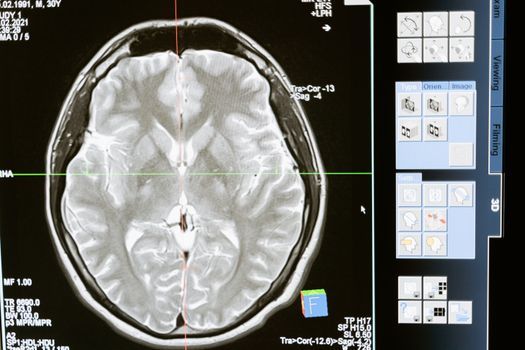
Medication first, surgery when it is genuinely needed
Sinus surgery today usually means endoscopic sinus surgery(ESS), performed through the nostrils with a thin camera. There are no facial incisions. Its goal is to open blocked sinus drainage pathways, remove diseased tissue and polyps, and create space for rinses and sprays to work. It is a tool for specific situations, not a first-line treatment.
Situations where surgery is commonly considered
- Medication-refractory chronic sinusitis: symptoms continue after an adequate trial of saline irrigation, steroid sprays, and appropriate antibiotics or other medicines, and CT confirms ongoing disease.
- Nasal polyps that block breathing or smell and do not shrink enough with medication.
- Recurrent acute sinusitis: several distinct infections a year that disrupt work and life.
- Fungal sinusitis, such as a fungal ball, which typically needs removal.
- Complications: infection spreading to the eye socket or toward the brain.
- Tumors such as inverted papilloma, or cysts that cause blockage.
- Sinusitis from dental implants or upper teeth, sometimes managed together with a dentist.
Why medication is tried first
Many people with chronic sinus symptoms improve significantly with regular saline irrigation, correct technique with steroid sprays, and allergy control. Surgery does not cure the underlying inflammatory tendency, so medication often continues afterward. Choosing surgery only when needed matches our clinic's principle of recommending only the treatment a patient actually requires.
How the decision is made
The decision combines three things: how much your symptoms affect your life, what the endoscopy shows, and what a sinus CT scan reveals after medical treatment. A CT taken during a cold can look worse than the true baseline, so timing matters.
What we do at Gangnam Yonsei ENT
Dr. Kim Yoo Suk trained in endoscopic sinus surgery at Jikei University in Japan and endoscopic skull base surgery at the University of Pittsburgh Medical Center, and practiced rhinology as an assistant professor at Ajou University. Evaluation includes nasal endoscopy and CT. Our clinic offers same-day testing, consultation, and surgery when appropriate.
When surgery is chosen, it is performed under local anesthesia. Based on clinic information, one side usually takes about 30 minutes and both sides about an hour. Absorbable packing is placed for about a day, antibiotics are given for around a week, crusting lasts two to three weeks, and weekly follow-up visits are scheduled to clean the healing sinuses. Most patients go home the same day. If a deviated septum also blocks access, septoplasty may be done at the same time.
Honest limits and risks
Like any surgery, ESS carries risks, including bleeding, infection, scarring, and rare injury to the eye area or skull base. Polyps can recur. These are discussed in detail before any decision.
When to seek urgent care
Eye swelling, double vision, severe headache, or confusion with sinusitis need immediate attention. For routine questions, consultations are in English; see our location and hours or read whether nasal polyps come back.
Related questions
Is sinus surgery done under general anesthesia?
At our clinic, functional nasal and sinus surgeries are performed under local anesthesia with same-day admission, and most patients return home the same day. Your doctor will explain what you will feel and how comfort is managed during the procedure.
Will sinus surgery change the shape of my nose?
No. Endoscopic sinus surgery is performed inside the nose through the nostrils. It does not involve external cuts and does not alter the outer shape of the nose. If you also want cosmetic changes, that is a separate discussion.
Will I still need sprays after sinus surgery?
Often, yes. Surgery opens the sinuses but does not remove the tendency toward inflammation. Saline rinses and steroid sprays after surgery help the lining heal and reduce the chance of recurrence, especially with polyps.
Your doctor
Dr. Kim Yoo Suk, MD
Board-certified otolaryngologist (ENT). Former clinical assistant professor at Yonsei University and assistant professor at Ajou University School of Medicine. Nose & sinus subspecialist who treats all ear, nose and throat conditions.
Consultations in English. Guide for international patients →
Visit us in Gangnam
2F HS Tower, 703 Seolleung-ro, Gangnam-gu, Seoul
Gangnam-gu Office Station (Line 7 / Suin-Bundang), Exit 3-1
Mon, Tue, Thu, Fri 9:00–19:00
Wed 14:00–19:00 · Sat 9:00–14:00
Closed Sundays & public holidays
This answer is general medical information written and reviewed by an ENT specialist. It is not a diagnosis. Please see a doctor for an examination. In an emergency in Korea, call 119.