
Sleep Apnea Treatment in Gangnam, Seoul
Medically reviewed by Dr. Kim Yoo Suk, MD · Board-certified otolaryngologist · Former professor, Yonsei & Ajou University · Consultations in English
QUICK ANSWER
Obstructive sleep apnea is a sleep disorder in which the upper airway repeatedly collapses during sleep, causing breathing pauses, oxygen drops and fragmented sleep. Signs include loud snoring, witnessed pauses and daytime sleepiness. Diagnosis requires a sleep study; treatment ranges from lifestyle change and CPAP to oral appliances and targeted airway surgery.
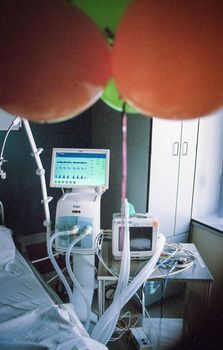
What is obstructive sleep apnea?
Obstructive sleep apnea (OSA) is a condition in which the throat partially or completely closes many times during sleep despite continued breathing effort. A complete pause of 10 seconds or more is called an apnea; a partial reduction with oxygen drop or arousal is a hypopnea. Severity is graded by the apnea-hypopnea index (AHI), the number of events per hour of sleep.
Symptoms
- Loud, habitual snoring
- Witnessed pauses in breathing, choking or gasping
- Excessive daytime sleepiness or dozing while driving
- Morning headaches and dry mouth
- Poor memory, irritability and low mood
- Night sweats and frequent night-time urination
Causes and risk factors
OSA results from a narrow or collapsible airway. Contributing factors include excess weight, a small or set-back lower jaw, enlarged tonsils, a long soft palate, a large tongue base, and nasal obstruction such as a deviated septum or swollen turbinates. Age, male sex, alcohol and sedatives increase risk. In children, enlarged tonsils and adenoids are the main cause.
Untreated moderate to severe OSA is associated with high blood pressure, heart rhythm problems, stroke, type 2 diabetes and road accidents.
How it is diagnosed at our Gangnam clinic
The definitive test is a sleep study (polysomnography), which records airflow, breathing effort, oxygen saturation, heart rhythm and sleep stages. To find where the airway narrows, Dr. Kim combines nasal endoscopy, throat examination, a cephalogram to measure jaw and airway dimensions, and CT where nasal anatomy needs detail. This site-specific assessment guides which treatment is likely to help.
Treatment options
Lifestyle
Weight loss, avoiding alcohol in the evening, positional therapy and treating nasal congestion help all patients and may be enough in mild cases.
CPAP and oral appliances
Continuous positive airway pressure (CPAP) keeps the airway open with gentle air pressure and is the standard first-line treatment for moderate to severe OSA. Mandibular advancement devices are an option for mild to moderate OSA or CPAP intolerance. Both are compared on our CPAP and oral appliance options page.
Surgery
Surgery is considered when a correctable obstruction is identified or devices are not tolerated. Options include nasal surgery to improve breathing and CPAP comfort, palate and tonsil surgery, and tongue base procedures; see snoring and sleep apnea surgery. Nasal surgery alone rarely cures moderate to severe OSA, but it can make CPAP easier to use.
When to see an ENT
Seek assessment if you snore loudly and feel tired despite enough time in bed, or if a partner notices breathing pauses. Get help promptly if you have fallen asleep while driving.
Seeing Dr. Kim in English
Dr. Kim Yoo Suk, a former Ajou University assistant professor, co-authored research on five-year outcomes of sleep apnea surgery and on heart rate variability in OSA. He reviews your results in English and explains every option, including non-surgical ones. Visit our international patients page for booking help.
Frequently asked questions
How do I know if I have sleep apnea or just snore?
Snoring alone cannot tell you. Witnessed breathing pauses, gasping and daytime sleepiness make apnea more likely, but only a sleep study measures how often breathing stops and how far oxygen drops. That result decides whether treatment beyond lifestyle change is needed.
Is CPAP for life?
CPAP controls apnea while you use it but does not cure the underlying narrowing. Some people can reduce or stop it after significant weight loss or successful surgery, confirmed by a repeat sleep study. Many continue long term because it works well for them.
Can surgery cure sleep apnea?
For some patients with a clear anatomical cause, such as very large tonsils, surgery can greatly reduce apnea. For others it improves but does not eliminate it. Dr. Kim discusses realistic expectations based on your examination and sleep study.
Your doctor
Dr. Kim Yoo Suk, MD
Board-certified otolaryngologist (ENT). Former clinical assistant professor at Yonsei University and assistant professor at Ajou University School of Medicine. Nose & sinus subspecialist who treats all ear, nose and throat conditions.
Consultations in English. Guide for international patients →
Visit us in Gangnam
2F HS Tower, 703 Seolleung-ro, Gangnam-gu, Seoul
Gangnam-gu Office Station (Line 7 / Suin-Bundang), Exit 3-1
Mon, Tue, Thu, Fri 9:00–19:00
Wed 14:00–19:00 · Sat 9:00–14:00
Closed Sundays & public holidays
Related pages
This page is general medical information written and reviewed by an ENT specialist. It is not a diagnosis. Symptoms differ between people — please see a doctor for an examination. In an emergency in Korea, call 119.