
What Should I Bring to an ENT Visit as a Foreigner in Gangnam, Seoul?
Answered by Dr. Kim Yoo Suk, MD · Board-certified otolaryngologist · Former professor, Yonsei & Ajou University · Consultations in English
SHORT ANSWER
Bring your passport or Alien Registration Card (ARC), a payment card, and a list of any medications and allergies. If you have Korean National Health Insurance, the ARC lets the clinic apply it. Previous test results, scans and your insurer's claim requirements also help make the visit faster and more useful.
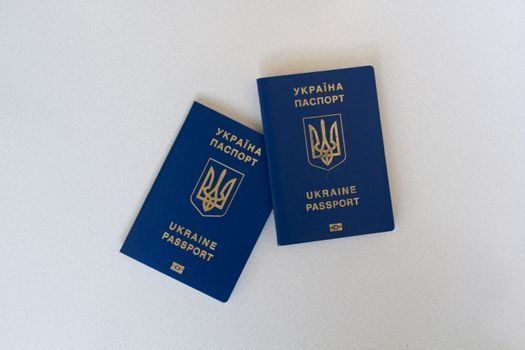
The essentials
- Identification: your passport, or your Alien Registration Card (ARC, also called a residence card) if you live in Korea.
- Payment: a credit or debit card or cash. You pay at reception after the visit.
- Medication list: names and doses of everything you take, including blood thinners, inhalers, nasal sprays and supplements.
- Allergies: especially drug allergies, such as to antibiotics or pain relievers.
Helpful extras
- Previous results: hearing tests, allergy panels, sleep studies or CT scans from home or another hospital. Images on a CD or USB plus the written report are ideal.
- Pharmacy medicines you have tried: photograph the boxes. Some Korean over-the-counter cold remedies combine several ingredients.
- A symptom timeline: when it began, which side, what makes it better or worse.
- Insurer instructions: if your travel or international insurance needs specific documents, bring their claim form or list.
Why each item matters in ENT care
A medication list is not just paperwork. Decongestant sprays used for weeks can cause rebound congestion, blood thinners affect nosebleed management and surgery planning, and some blood pressure drugs can cause a chronic cough. Earlier imaging can save you from repeating a sinus CT scan if it is recent and of good quality.
If you are coming for sleep apnea or snoring, a partner's description of your breathing pauses or a phone recording can be surprisingly useful.
What we do at Gangnam Yonsei ENT
At registration, staff record your details from your passport or ARC. Then Dr. Kim Yoo Suk reviews your history in English. As a former clinical assistant professor at Yonsei University and assistant professor at Ajou University, he is used to reviewing outside records, and he will tell you whether an earlier result is enough or a new test such as a hearing test or nasal endoscopy is worthwhile.
After the visit you can ask for:
- A detailed receipt
- Copies of medical records or test results
- An English medical certificate (a non-covered document)
These help with insurance claims, sick-leave notes or continuing care back home. The clinic does not direct-bill specific insurers, so payment is made at the visit.
If you are coming for a specific problem
- Ear symptoms: avoid putting drops or cotton swabs in the ear on the day, so the canal can be examined clearly.
- Voice or throat: note when hoarseness began and whether you smoke or use your voice heavily at work.
- Dizziness: describe whether the room spins, how long episodes last and what triggers them.
- Considering surgery: arrange to have someone available by phone, and leave contact lenses and heavy makeup at home.
Before you leave home
Check opening hours on the location and hours page: weekdays except Wednesday 09:00–19:00, Wednesday 14:00–19:00, Saturday 09:00–14:00. The clinic is right in front of Exit 3-1 of Gangnam-gu Office Station. If this is your first medical visit in Korea, our step-by-step guide for foreigners covers the whole process.
If your symptoms are severe, such as difficulty breathing or swallowing, go straight to an emergency department; documents can be sorted out later.
Related questions
Can I be seen without my ARC if I forgot it?
Bring your passport or another official ID if you forgot your ARC. Being enrolled in National Health Insurance can usually be checked with your registration details, but call reception at +82-10-5344-4464 if you are unsure how your coverage will be applied.
Should I stop my nasal spray before the visit?
Do not stop prescribed medicines on your own. Simply bring the spray or a photo of it. Dr. Kim can tell you whether to continue, change or taper it, which matters particularly for decongestant sprays used for more than a few days.
Do I need to bring my old CT scan?
If you have a recent sinus or ear CT, bringing the images and report is helpful. Dr. Kim will review whether it answers the current question. If it is old or incomplete, he may recommend a new scan only when it would change your treatment.
Your doctor
Dr. Kim Yoo Suk, MD
Board-certified otolaryngologist (ENT). Former clinical assistant professor at Yonsei University and assistant professor at Ajou University School of Medicine. Nose & sinus subspecialist who treats all ear, nose and throat conditions.
Consultations in English. Guide for international patients →
Visit us in Gangnam
2F HS Tower, 703 Seolleung-ro, Gangnam-gu, Seoul
Gangnam-gu Office Station (Line 7 / Suin-Bundang), Exit 3-1
Mon, Tue, Thu, Fri 9:00–19:00
Wed 14:00–19:00 · Sat 9:00–14:00
Closed Sundays & public holidays
This answer is general medical information written and reviewed by an ENT specialist. It is not a diagnosis. Please see a doctor for an examination. In an emergency in Korea, call 119.