
Allergic Rhinitis Medication in Gangnam, Seoul
Medically reviewed by Dr. Kim Yoo Suk, MD · Board-certified otolaryngologist · Former professor, Yonsei & Ajou University · Consultations in English
QUICK ANSWER
Allergic rhinitis medication controls sneezing, itching, runny nose and congestion caused by allergies. The main options are intranasal steroid sprays, antihistamines, leukotriene receptor antagonists and saline rinses. At Gangnam Yonsei ENT in Gangnam, Seoul, Dr. Kim Yoo Suk tailors a guideline-based plan in English to your symptoms and triggers.
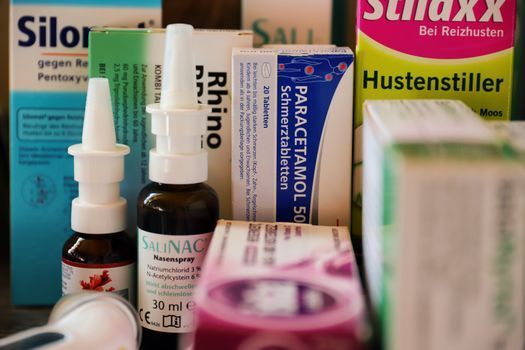
What is allergic rhinitis medication?
Allergic rhinitis is inflammation of the nasal lining triggered by airborne allergens such as house dust mites, pollen, mold and pet dander. Medication aims to block the chemical signals of this allergic reaction and calm the inflamed lining. Management follows the ARIA (Allergic Rhinitis and its Impact on Asthma) guideline, which matches treatment to symptom severity and frequency. Avoidance of known triggers, such as washing bedding in hot water for mite allergy or keeping windows closed on high pollen days, works alongside medication rather than replacing it.
Main medication classes
- Intranasal corticosteroid sprays: the most effective single treatment for persistent symptoms, especially congestion. They work best with daily use, and full benefit can take days to a couple of weeks.
- Oral second-generation antihistamines: relieve sneezing, itching and runny nose with less drowsiness than older antihistamines.
- Intranasal antihistamines and combination steroid-antihistamine sprays: fast onset for more troublesome symptoms.
- Leukotriene receptor antagonists: sometimes helpful, particularly with coexisting asthma.
- Saline irrigation: washes allergens and mucus from the nose, useful on high pollen or fine dust days.
- Decongestant sprays: only for a few days, because longer use causes rebound congestion.
Who is it for?
Medication is the first-line treatment for most people with allergic rhinitis, including seasonal and year-round forms, and for people whose symptoms flare with fine dust and yellow dust. It is also used alongside immunotherapy.
How we prescribe at our Gangnam clinic
Dr. Kim Yoo Suk is a board-certified otolaryngologist, a former rhinology professor at Yonsei and Ajou universities, and a member of the Korean Academy of Asthma, Allergy and Clinical Immunology. Before prescribing, he:
- Reviews symptom patterns, triggers and medications you have already tried, including those from home.
- Examines the nose with nasal endoscopy to check turbinates, septum and polyps.
- Recommends an allergy test when identifying triggers will change management.
- Explains correct spray technique in English, since poor technique is a common reason sprays seem not to work.
When medication is not enough
If symptoms persist despite correct use, options include dust mite sublingual immunotherapy or, for fixed turbinate swelling, turbinate reduction surgery.
Side effects and limitations
Nasal steroids can cause dryness, irritation or minor nosebleeds; aiming the spray away from the septum reduces this. Antihistamines can cause drowsiness in some people. Medication controls symptoms but does not cure allergy, so symptoms often return when treatment stops. See a doctor promptly for one-sided blockage, bloody discharge, facial swelling or severe facial pain, which suggest something other than allergy.
Practical information for foreign patients
Medication brand names in Korea may differ from those at home; bring your current medicines or photos of their packaging so equivalents can be identified. Prescriptions are filled at nearby pharmacies, and an English summary can be provided. See Dr. Kim's profile and clinic hours.
Frequently asked questions
Which is better for allergies: nasal spray or antihistamine pills?
For persistent symptoms, especially congestion, intranasal steroid sprays are generally the most effective single treatment. Antihistamine pills help sneezing and itching and suit mild or intermittent symptoms. Many patients use a combination tailored by their doctor.
Are steroid nasal sprays safe for long-term use?
Modern intranasal steroid sprays are considered safe for long-term use at recommended doses because very little is absorbed into the body. Using correct technique reduces local side effects like dryness and nosebleeds. Regular review ensures you use the lowest effective dose.
Why do my allergies seem worse since moving to Seoul?
New environments bring new exposures, such as different pollens, house dust mite levels and fine dust episodes. Seasonal pollen peaks and indoor heating can also play a role. An allergy test can identify which triggers are relevant to you.
Your doctor
Dr. Kim Yoo Suk, MD
Board-certified otolaryngologist (ENT). Former clinical assistant professor at Yonsei University and assistant professor at Ajou University School of Medicine. Nose & sinus subspecialist who treats all ear, nose and throat conditions.
Consultations in English. Guide for international patients →
Visit us in Gangnam
2F HS Tower, 703 Seolleung-ro, Gangnam-gu, Seoul
Gangnam-gu Office Station (Line 7 / Suin-Bundang), Exit 3-1
Mon, Tue, Thu, Fri 9:00–19:00
Wed 14:00–19:00 · Sat 9:00–14:00
Closed Sundays & public holidays
Related pages
This page is general medical information written and reviewed by an ENT specialist. It is not a diagnosis or a guarantee of results; every treatment carries risks, and suitability is decided only after an examination. In an emergency in Korea, call 119.