
Can Fine Dust in Seoul Cause Nose and Sinus Problems? An ENT in Gangnam, Seoul Answers
Answered by Dr. Kim Yoo Suk, MD · Board-certified otolaryngologist · Former professor, Yonsei & Ajou University · Consultations in English
SHORT ANSWER
Yes. Fine dust (PM10 and PM2.5) and spring yellow dust can irritate and inflame the nasal lining, causing sneezing, congestion, runny nose, postnasal drip, and nosebleeds. They also worsen existing allergic rhinitis, asthma, and chronic sinusitis. Masks, saline rinses, and indoor air control reduce exposure on high-dust days.
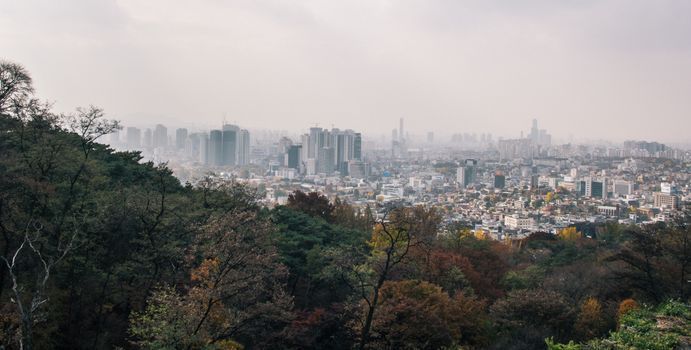
Yes, air pollution affects your nose first
The nose is the body's first air filter. On days when Seoul's fine dust (미세먼지) index is high, the nasal lining is exposed to particles that carry metals, combustion by-products, and allergens. In spring, yellow dust (황사) blown from inland deserts adds coarse mineral particles. This combination can trigger what we describe as fine dust and yellow dust rhinitis.
Common nose symptoms on high-dust days
- Sneezing and a watery runny nose
- Congestion and a stuffy feeling, often worse at night
- Postnasal drip and frequent throat clearing
- Dryness, crusting, and nosebleeds
- Itchy, red eyes and an irritated throat
- Flare-ups of existing allergies, asthma, or sinusitis
Why fine dust inflames the nose
Particles stick to the mucus layer and can damage the tiny hairs (cilia) that sweep mucus out of the sinuses. The lining reacts by swelling and producing more mucus. Research in airway biology, including work on epithelial barrier function, suggests pollutants weaken the protective barrier of the lining, making it easier for allergens and microbes to cause inflammation. People with allergic rhinitis often notice that their usual allergy symptoms worsen when dust levels rise.
Practical protection tips for Seoul
- Check the daily air quality forecast and limit outdoor exercise when levels are poor.
- Wear a well-fitting KF80 or KF94 mask outdoors on high-dust days.
- Keep windows closed during peaks and use an air purifier indoors.
- Rinse your nose with saline after spending time outside.
- Wash your face and hands when you come home; change clothes after long exposure.
- Stay hydrated, as dry mucus clears particles less effectively.
What we do at Gangnam Yonsei ENT
When dust-related symptoms persist, an exam helps separate simple irritation from conditions that need specific treatment. Dr. Kim Yoo Suk, a former Yonsei clinical assistant professor and member of the Korean Academy of Asthma, Allergy and Clinical Immunology, uses nasal endoscopy to check for inflammation, polyps, or infection. An allergy test can identify whether dust mites, pollen, or other allergens are adding to the problem.
Treatment typically follows guideline-based allergic rhinitis care: avoidance, saline irrigation, and allergy medications such as steroid sprays and antihistamines. If symptoms lead to a sinus infection lasting beyond 10 days, that is treated separately.
When to see a doctor
See an ENT if symptoms last more than two weeks after dust levels fall, if you have repeated nosebleeds, facial pain with fever, or worsening breathing or wheezing. People with asthma should follow their asthma action plan and seek care promptly for breathing difficulty.
English consultations are available near Gangnam-gu Office Station; check location and hours. Related reading: when allergy season peaks in Korea and how to rinse your nose safely.
Related questions
Does a KF94 mask protect my nose from fine dust?
A well-fitted KF94 mask filters a large share of fine particles and reduces how much reaches your nose. Fit matters as much as rating: gaps around the nose and cheeks let unfiltered air in. Replace masks when they become damp or soiled.
Is saline rinsing helpful after a high-dust day?
Yes. Saline irrigation physically washes particles and allergens off the nasal lining and thins mucus. Use sterile, distilled, or previously boiled water with a proper saline mix, and clean the bottle after each use.
Can fine dust cause a sinus infection?
Fine dust does not directly cause infection, but by inflaming the lining and slowing mucus clearance it can make sinus blockage and infection more likely, especially in people with allergies or chronic sinus disease.
Your doctor
Dr. Kim Yoo Suk, MD
Board-certified otolaryngologist (ENT). Former clinical assistant professor at Yonsei University and assistant professor at Ajou University School of Medicine. Nose & sinus subspecialist who treats all ear, nose and throat conditions.
Consultations in English. Guide for international patients →
Visit us in Gangnam
2F HS Tower, 703 Seolleung-ro, Gangnam-gu, Seoul
Gangnam-gu Office Station (Line 7 / Suin-Bundang), Exit 3-1
Mon, Tue, Thu, Fri 9:00–19:00
Wed 14:00–19:00 · Sat 9:00–14:00
Closed Sundays & public holidays
This answer is general medical information written and reviewed by an ENT specialist. It is not a diagnosis. Please see a doctor for an examination. In an emergency in Korea, call 119.