
Is Nasal Irrigation Safe and How Do I Do It Right? An ENT in Gangnam, Seoul Explains
Answered by Dr. Kim Yoo Suk, MD · Board-certified otolaryngologist · Former professor, Yonsei & Ajou University · Consultations in English
SHORT ANSWER
Yes. Saline nasal irrigation is safe for most adults and children old enough to cooperate, provided you use distilled, sterile, or previously boiled and cooled water, never untreated tap water, and keep the bottle clean. It helps with sinusitis, allergies, fine dust exposure, and healing after nasal surgery.
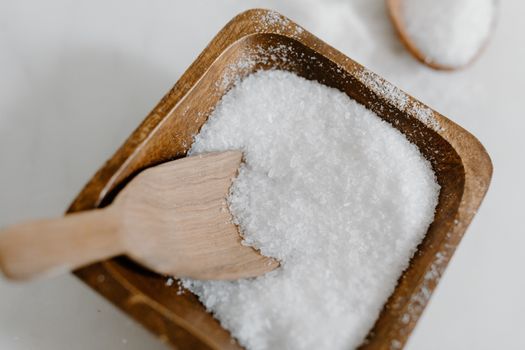
Safe and effective when done correctly
Nasal irrigation, also called a sinus rinse or nasal wash, flushes the nasal passages with a salt-water solution. It washes away mucus, allergens, pollution particles, and crusts, and helps the tiny hairs in the lining clear the sinuses. Studies support its use for chronic sinusitis, allergic rhinitis, and recovery after sinus surgery.
The one rule you must not break: water safety
Use only:
- Distilled or sterile water
- Tap water that has been boiled for at least one minute and cooled to lukewarm
- Commercially prepared sterile saline
Untreated tap water, while safe to drink, can very rarely contain organisms that are dangerous when introduced into the nose. This risk is avoided entirely by using properly treated water.
Step-by-step technique
- Wash your hands and mix the saline packet with lukewarm safe water in a clean rinse bottle.
- Lean forward over a sink with your head slightly down and turned to one side.
- Place the nozzle in the upper nostril, aiming toward the back of your head, not upward.
- Breathe through your mouth and gently squeeze. The water should flow out of the other nostril or your mouth.
- Gently blow your nose, then repeat on the other side.
- Wash the bottle with soapy water, rinse, and let it air dry. Replace it every few months.
Common problems and fixes
- Stinging: the salt concentration or temperature is off. Use the premeasured packet and lukewarm water.
- Ear fullness: you are squeezing too hard or swallowing during the rinse. Use gentle pressure and keep your mouth open.
- Water dripping later: fluid trapped in the sinuses can drain when you bend down. Lean forward and turn your head after rinsing.
- Completely blocked nose: irrigation may not pass. See a doctor rather than forcing it.
Who should check with a doctor first
Ask an ENT before rinsing if you have had recent ear surgery, an eardrum perforation, frequent ear infections, or if you have just had nasal surgery and need specific instructions.
What we do at Gangnam Yonsei ENT
Dr. Kim Yoo Suk, a board-certified ENT and rhinology subspecialist formerly on the faculty of Yonsei and Ajou universities, often recommends irrigation as part of treatment for allergic rhinitis, postnasal drip, and sinusitis. After endoscopic sinus surgery, rinsing helps clear crusts during the two to three weeks of healing. During your visit, the technique can be demonstrated so you leave confident.
If rinsing does not relieve your symptoms, a nasal endoscopy can check for polyps, a deviated septum, or ongoing infection.
When to see an ENT
See a doctor if you develop ear pain, nosebleeds, fever, or worsening facial pain while rinsing, or if symptoms do not improve after a couple of weeks. English consultations are available; see our English-speaking ENT page. Related: why postnasal drip won't stop.
Related questions
How often should I rinse my nose?
For allergies or chronic sinusitis, once or twice a day is common. During a cold or after high fine dust exposure, rinsing once in the evening is often enough. After surgery, follow your surgeon's specific schedule.
Can I use a neti pot instead of a squeeze bottle?
Yes. Neti pots use gravity, while squeeze bottles use gentle pressure and reach slightly deeper into the sinuses. Both are safe with sterile, distilled, or boiled water and clean equipment. Choose whichever you find easier to use.
Can children use nasal irrigation?
Children who can cooperate and follow instructions can often use saline rinses or gentler saline sprays. Use child-sized volumes and supervise them. Ask a doctor before starting irrigation for a young child with frequent ear infections.
Your doctor
Dr. Kim Yoo Suk, MD
Board-certified otolaryngologist (ENT). Former clinical assistant professor at Yonsei University and assistant professor at Ajou University School of Medicine. Nose & sinus subspecialist who treats all ear, nose and throat conditions.
Consultations in English. Guide for international patients →
Visit us in Gangnam
2F HS Tower, 703 Seolleung-ro, Gangnam-gu, Seoul
Gangnam-gu Office Station (Line 7 / Suin-Bundang), Exit 3-1
Mon, Tue, Thu, Fri 9:00–19:00
Wed 14:00–19:00 · Sat 9:00–14:00
Closed Sundays & public holidays
This answer is general medical information written and reviewed by an ENT specialist. It is not a diagnosis. Please see a doctor for an examination. In an emergency in Korea, call 119.