
Vasomotor (Non-Allergic) Rhinitis Treatment in Gangnam, Seoul
Medically reviewed by Dr. Kim Yoo Suk, MD · Board-certified otolaryngologist · Former professor, Yonsei & Ajou University · Consultations in English
QUICK ANSWER
Vasomotor rhinitis is a non-allergic condition in which the nasal lining overreacts to triggers such as cold air, temperature changes, strong smells, spicy food or alcohol, causing a runny or blocked nose. Allergy tests are negative. Treatment focuses on avoiding triggers and using nasal sprays such as ipratropium, steroids or azelastine.
What is vasomotor rhinitis?
Vasomotor rhinitis is the most common type of non-allergic rhinitis. It describes nasal symptoms caused by an imbalance in the autonomic nerves that control blood vessels and mucus glands in the nose, rather than by an allergic immune reaction. The nasal lining becomes hyper-responsive, swelling or dripping in response to everyday stimuli.
Symptoms
- Clear, watery runny nose, sometimes sudden and profuse
- Nasal congestion that can switch sides
- Postnasal drip and throat clearing
- Little itching, and fewer eye symptoms than in allergy
- Symptoms that appear quickly after a trigger
Common triggers
- Cold air or sudden temperature and humidity changes, such as walking from a heated subway into winter air
- Strong odors – perfume, cleaning products, cigarette smoke
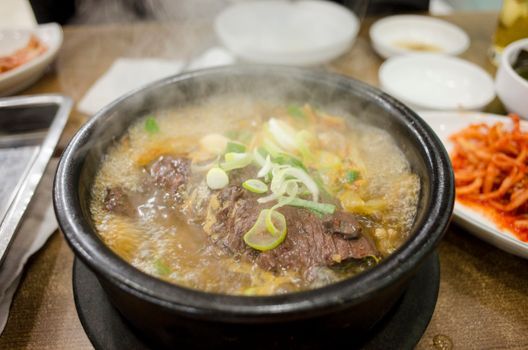
- Hot or spicy foods (gustatory rhinitis), common with Korean dishes like jjigae
- Alcohol, especially red wine
- Air pollution and fine dust
- Emotional stress, bright lights and hormonal changes
Some medicines, including certain blood pressure drugs, and long-term use of decongestant sprays can produce similar symptoms; the latter is discussed under nasal spray overuse rhinitis.
How it is diagnosed at our Gangnam clinic
Vasomotor rhinitis is a diagnosis of exclusion. Dr. Kim takes a detailed trigger history and uses an allergy test to rule out allergic rhinitis, since the two can look alike and sometimes coexist (mixed rhinitis). Nasal endoscopy excludes polyps, sinusitis and structural problems that need different treatment.
Treatment options
Trigger management
Identifying and reducing exposure to your main triggers is the foundation. Wearing a scarf or mask over the nose in cold weather, avoiding strong fragrances and using an air purifier can help.
Medication
- Ipratropium bromide nasal spray – reduces watery discharge, useful before meals for gustatory rhinitis
- Intranasal corticosteroids – help when congestion predominates
- Azelastine nasal spray – an antihistamine spray with benefit in non-allergic rhinitis
- Saline irrigation – rinses away irritants
Oral antihistamines are often less effective than in allergy because histamine is not the main driver.
Procedures
For persistent congestion with turbinate enlargement despite medication, turbinate reduction surgery under local anesthesia may improve airflow. It does not stop all runny-nose symptoms.
When to see an ENT
See an ENT if nasal symptoms persist for weeks, disturb work or sleep, or do not respond to allergy tablets. Seek prompt assessment for clear watery drip from one side only, especially after head injury or surgery, which can rarely be cerebrospinal fluid leak, and for one-sided bleeding or blockage.
Seeing Dr. Kim in English
Dr. Kim Yoo Suk, a former Yonsei and Ajou rhinology professor and member of the Korean Academy of Asthma, Allergy and Clinical Immunology, helps distinguish allergic from non-allergic rhinitis and explains results in English. Read our international patient guide to plan your visit.
Frequently asked questions
How is vasomotor rhinitis different from allergies?
Allergic rhinitis involves an immune reaction to specific allergens and shows positive allergy tests, with itching and sneezing. Vasomotor rhinitis is driven by nerve and blood vessel overreactivity to irritants and temperature, and allergy tests are negative.
Why does my nose run when I eat spicy food?
This is gustatory rhinitis, a form of vasomotor rhinitis. Hot or spicy food stimulates nerves that activate nasal mucus glands. An ipratropium nasal spray used shortly before meals can reduce it if it is bothersome.
Can vasomotor rhinitis be cured?
It is usually a long-term tendency rather than something that is cured, but symptoms can be well controlled. Trigger avoidance combined with the right spray works for most people, and severe congestion may respond to turbinate reduction.
Your doctor
Dr. Kim Yoo Suk, MD
Board-certified otolaryngologist (ENT). Former clinical assistant professor at Yonsei University and assistant professor at Ajou University School of Medicine. Nose & sinus subspecialist who treats all ear, nose and throat conditions.
Consultations in English. Guide for international patients →
Visit us in Gangnam
2F HS Tower, 703 Seolleung-ro, Gangnam-gu, Seoul
Gangnam-gu Office Station (Line 7 / Suin-Bundang), Exit 3-1
Mon, Tue, Thu, Fri 9:00–19:00
Wed 14:00–19:00 · Sat 9:00–14:00
Closed Sundays & public holidays
This page is general medical information written and reviewed by an ENT specialist. It is not a diagnosis. Symptoms differ between people — please see a doctor for an examination. In an emergency in Korea, call 119.