
Laryngoscopy (Voice Box Exam) in Gangnam, Seoul
Medically reviewed by Dr. Kim Yoo Suk, MD · Board-certified otolaryngologist · Former professor, Yonsei & Ajou University · Consultations in English
QUICK ANSWER
Laryngoscopy is an endoscopic examination of the throat and voice box (larynx) that lets the doctor see the vocal cords directly. At Gangnam Yonsei ENT in Gangnam, Seoul, it is a quick office test for hoarseness, throat discomfort and reflux, and Dr. Kim Yoo Suk reviews the video with you in English.
What is laryngoscopy?
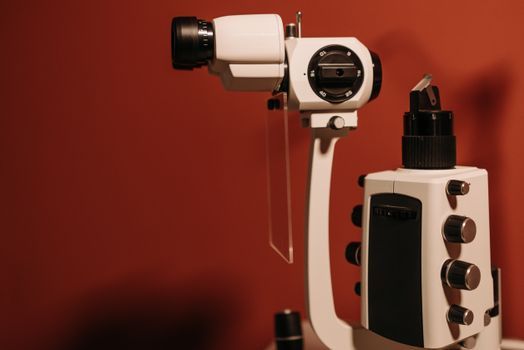
Laryngoscopy is the visual examination of the larynx, the organ in the neck that houses the vocal cords and protects the airway during swallowing. In the office, it is performed with an endoscope passed either through the mouth (rigid laryngoscopy) or through the nose (flexible laryngoscopy). The camera shows the base of tongue, epiglottis, vocal cords, the area above and below them, and the entrance to the esophagus. When combined with a strobe light source, the exam is called videostroboscopy and lets the doctor assess vocal cord vibration in slow motion.
Who is it for?
Laryngoscopy is recommended for:
- Hoarseness lasting more than two to three weeks, or sooner in smokers
- Suspected vocal cord nodules, polyps, Reinke's edema or granuloma
- Laryngopharyngeal reflux symptoms such as throat clearing and a lump sensation
- Chronic cough or difficulty swallowing
- Throat pain, blood in saliva, or a neck lump
How it is done at our Gangnam clinic
Dr. Kim Yoo Suk is a board-certified otolaryngologist and former faculty member at Yonsei and Ajou universities whose published work includes hyaluronic acid vocal fold augmentation. Although his subspecialty is rhinology, he evaluates the full range of voice and throat problems.
- A topical anesthetic spray may be used to reduce gagging or nasal discomfort.
- For a rigid exam, you lean forward, stick out your tongue, and say "eee" while the scope rests at the back of the mouth.
- For a flexible exam, a thin scope passes through the nose to view the larynx during speech and breathing.
- The exam lasts a minute or two, and the recording is reviewed with you on screen.
Because the nose and throat are connected, Dr. Kim may also check the nasal cavity with nasal endoscopy when postnasal drip contributes to throat symptoms.
After the exam
If a numbing spray was used, avoid eating or drinking until normal throat sensation returns, typically within about 30 minutes, to prevent choking. You can then resume normal activities. Results guide the next step, which might be voice therapy, reflux management, medication, or referral for microsurgery.
Risks and limitations
Office laryngoscopy is very safe. Gagging, brief discomfort or a minor nosebleed with the flexible approach can occur. Some lesions require biopsy under general anesthesia for a definite diagnosis, and a single exam cannot always distinguish benign from malignant tissue. Seek urgent care for noisy breathing (stridor), difficulty breathing or inability to swallow saliva; seek prompt evaluation for hoarseness that persists beyond a few weeks, especially if you smoke.
Practical information for foreign patients
Teachers, performers and business travelers who rely on their voices often visit while in Seoul. Findings and voice-care advice are explained in English, and recorded images can be shared with your doctor at home. Read more on the throat clinic page, about Dr. Kim Yoo Suk, and in the international patient guide.
Frequently asked questions
Is laryngoscopy uncomfortable?
Most patients tolerate it well. You may feel brief gagging with the rigid scope or pressure in the nose with the flexible scope. A numbing spray can help. The examination itself typically lasts only a minute or two.
How long should hoarseness last before I see an ENT?
Hoarseness lasting more than two to three weeks should be examined, and smokers should be seen sooner. Seek urgent care if hoarseness comes with breathing difficulty, coughing up blood or trouble swallowing.
Can laryngoscopy show acid reflux?
Laryngoscopy can show signs that suggest laryngopharyngeal reflux, such as swelling and redness at the back of the larynx. These findings are not specific on their own, so they are interpreted with your symptoms and response to treatment.
Your doctor
Dr. Kim Yoo Suk, MD
Board-certified otolaryngologist (ENT). Former clinical assistant professor at Yonsei University and assistant professor at Ajou University School of Medicine. Nose & sinus subspecialist who treats all ear, nose and throat conditions.
Consultations in English. Guide for international patients →
Visit us in Gangnam
2F HS Tower, 703 Seolleung-ro, Gangnam-gu, Seoul
Gangnam-gu Office Station (Line 7 / Suin-Bundang), Exit 3-1
Mon, Tue, Thu, Fri 9:00–19:00
Wed 14:00–19:00 · Sat 9:00–14:00
Closed Sundays & public holidays
This page is general medical information written and reviewed by an ENT specialist. It is not a diagnosis or a guarantee of results; every treatment carries risks, and suitability is decided only after an examination. In an emergency in Korea, call 119.