
When Should I See a Doctor for a Sore Throat? An ENT in Gangnam, Seoul Explains
Answered by Dr. Kim Yoo Suk, MD · Board-certified otolaryngologist · Former professor, Yonsei & Ajou University · Consultations in English
SHORT ANSWER
See a doctor for a sore throat that lasts more than a week, is severe or one-sided, comes with high fever, white patches on swollen tonsils, tender neck glands without cough, a rash, difficulty opening the mouth, or trouble swallowing or breathing. Most sore throats are viral and improve within five to seven days without antibiotics.
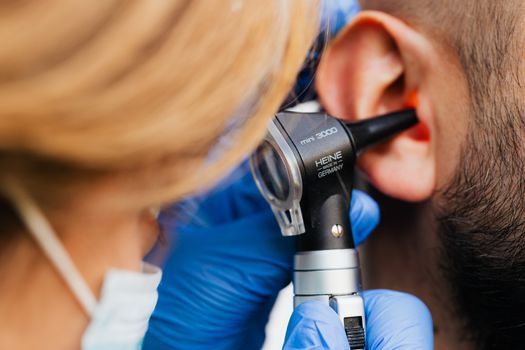
Most sore throats get better on their own
A sore throat is pain, scratchiness, or irritation of the throat that often worsens with swallowing. The majority are caused by viruses, the same ones that cause colds and flu, and settle within about five to seven days. A smaller number are caused by bacteria, especially group A streptococcus (strep throat), which may benefit from antibiotics.
Signs that suggest a viral sore throat
- Runny nose, sneezing, and cough
- Hoarse voice
- Red eyes or mouth ulcers
- Gradual onset alongside cold symptoms
Signs that suggest strep or bacterial tonsillitis
- Sudden onset with fever over 38°C
- Swollen tonsils with white patches or pus
- Tender, swollen glands at the front of the neck
- No cough
- Sometimes headache, stomach pain, or a fine rash, especially in children
Doctors use scoring systems based on these features, sometimes with a rapid test, to decide whether antibiotics are likely to help.
See a doctor if
- Symptoms last more than a week or keep getting worse
- Pain is severe, or much worse on one side
- You have high fever, white patches, and tender neck glands
- You have had several episodes of tonsillitis this year
- You develop a rash, joint pain, or dark urine after a sore throat
- A sore throat or hoarseness persists for weeks, especially if you smoke
Go to emergency care immediately if
- You have difficulty breathing or noisy breathing
- You cannot swallow liquids or saliva, or you are drooling
- You cannot open your mouth properly
- You have a muffled voice with severe one-sided pain
These can indicate a peritonsillar abscess or inflammation of the epiglottis.
Home care while you recover
- Drink plenty of fluids; cool or warm drinks both help
- Gargle with warm salt water
- Use acetaminophen or ibuprofen as directed for pain and fever
- Use a humidifier, particularly in dry Seoul winters
- Rest your voice
What we do at Gangnam Yonsei ENT
Dr. Kim Yoo Suk, a board-certified otolaryngologist and former Yonsei clinical assistant professor, examines the tonsils, throat, and neck to distinguish viral pharyngitis from bacterial tonsillitis. When flu is circulating and you have sudden fever and body aches, a flu rapid test may be helpful. If hoarseness or swallowing symptoms suggest a problem lower in the throat, a laryngoscopy can be performed in the clinic.
Antibiotics are prescribed when a bacterial infection is likely, not routinely. For patients with recurrent tonsillitis, the criteria for tonsillectomy are reviewed. Those who feel severely run down may also ask about supportive IV fluids as part of care.
Walk-ins and phone calls are welcome, and consultations are in English. See our English-speaking ENT page. Related: whether tonsillitis is contagious, sore throat on one side, and abscess warning signs.
Related questions
Do I need antibiotics for a sore throat?
Usually not. Most sore throats are viral and improve within a week without antibiotics. Antibiotics are considered when features suggest a bacterial infection like strep throat, such as fever, white patches on the tonsils, tender neck glands, and no cough.
How long is too long for a sore throat?
A typical viral sore throat improves within five to seven days. If it lasts longer than a week, keeps getting worse, or returns frequently, see a doctor. A sore throat lasting several weeks, especially in smokers, needs examination.
Can dry air in Seoul cause a sore throat?
Yes. Dry winter air and floor heating can dry the throat, especially if you breathe through your mouth at night. This often causes morning soreness that improves during the day. A humidifier and treating nasal congestion help.
Your doctor
Dr. Kim Yoo Suk, MD
Board-certified otolaryngologist (ENT). Former clinical assistant professor at Yonsei University and assistant professor at Ajou University School of Medicine. Nose & sinus subspecialist who treats all ear, nose and throat conditions.
Consultations in English. Guide for international patients →
Visit us in Gangnam
2F HS Tower, 703 Seolleung-ro, Gangnam-gu, Seoul
Gangnam-gu Office Station (Line 7 / Suin-Bundang), Exit 3-1
Mon, Tue, Thu, Fri 9:00–19:00
Wed 14:00–19:00 · Sat 9:00–14:00
Closed Sundays & public holidays
This answer is general medical information written and reviewed by an ENT specialist. It is not a diagnosis. Please see a doctor for an examination. In an emergency in Korea, call 119.