
Flu Rapid Antigen Test in Gangnam, Seoul
Medically reviewed by Dr. Kim Yoo Suk, MD · Board-certified otolaryngologist · Former professor, Yonsei & Ajou University · Consultations in English
QUICK ANSWER
A flu rapid test is a nasal or throat swab that detects influenza A and B antigens within minutes. At Gangnam Yonsei ENT in Gangnam, Seoul, it helps decide whether antiviral medication is appropriate for fever, sore throat and body aches, and Dr. Kim Yoo Suk explains the result and care plan in English.
What is a flu rapid test?
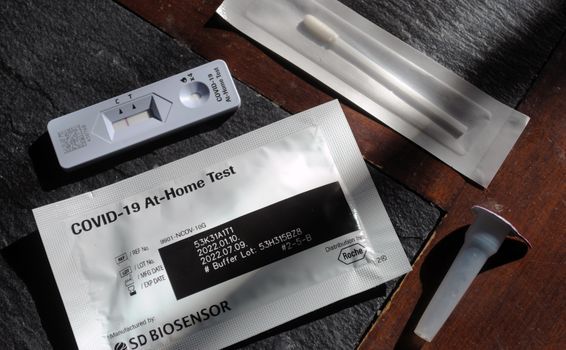
A rapid influenza diagnostic test is a point-of-care test that detects viral proteins (antigens) of influenza A and influenza B in a sample taken from the nose or throat. Results are typically available within about 15 minutes, so diagnosis and treatment decisions can be made at the same visit. In Korea, flu season usually peaks in winter, though cases can occur outside that period.
Who is it for?
Testing is most useful for people with a sudden onset of:
- Fever or chills
- Muscle aches and marked fatigue
- Headache, cough and sore throat
- Runny or blocked nose
It helps distinguish influenza from a common cold, pharyngitis or bacterial tonsillitis. It is particularly relevant for people at higher risk of complications, such as older adults, pregnant people and those with chronic heart, lung or immune conditions, and when early antiviral treatment is being considered.
How it is done at our Gangnam clinic
Dr. Kim Yoo Suk is a board-certified otolaryngologist and former university professor who sees a wide range of throat and nasal infections. The process is straightforward:
- Dr. Kim takes a brief history and examines your throat, nose and ears.
- A thin swab is inserted into the nose (or the throat) for a few seconds.
- The sample is processed while you wait, usually within about 15 minutes.
- The result and treatment plan are explained in English.
The flu rapid antigen test is a non-covered (non-insured) item at the clinic; staff can tell you the fee in advance.
What happens after a positive or negative result
Positive: Antiviral medication may be prescribed, ideally started within 48 hours of symptom onset, when it is most effective. Rest, fluids and fever control are recommended, and you should stay home to avoid spreading infection.
Negative: A negative result does not completely rule out flu, especially early in illness. Dr. Kim considers your symptoms and local flu activity when deciding on care, and may look for other causes. Supportive options such as the cold and flu IV are available but are not necessary for most patients.
Risks and limitations
The swab may cause brief discomfort, sneezing or watery eyes, and very rarely a minor nosebleed. Rapid antigen tests are less sensitive than laboratory PCR tests, so false negatives occur. Seek urgent care for difficulty breathing, chest pain, confusion, persistent high fever, bluish lips, or symptoms that improve and then suddenly worsen.
Prevention
Annual flu vaccination remains the most effective way to reduce the risk of influenza and its complications. Hand hygiene, covering coughs and staying home when ill also reduce spread.
Practical information for foreign patients
Getting sick while traveling or soon after moving to Seoul is stressful. Walk-ins are welcome during opening hours, and an English medical certificate can document illness for work, school or travel insurance. See hours and directions and Dr. Kim's profile.
Frequently asked questions
How accurate is a rapid flu test?
Rapid antigen tests are quick and specific, so a positive result is reliable. However, they can miss some infections, particularly early in illness, so a negative result does not fully rule out flu. Symptoms and local flu activity are also considered.
When should antiviral flu medicine be started?
Antiviral medication works best when started within about 48 hours of symptom onset. High-risk patients may benefit even later. Visit early if you develop sudden fever, aches and cough during flu season.
Can I get a sick note in English for flu?
Yes. The clinic can issue an English medical certificate documenting your diagnosis and recommended rest. This is often requested by employers, schools and travel insurers. Ask at reception during your visit.
Your doctor
Dr. Kim Yoo Suk, MD
Board-certified otolaryngologist (ENT). Former clinical assistant professor at Yonsei University and assistant professor at Ajou University School of Medicine. Nose & sinus subspecialist who treats all ear, nose and throat conditions.
Consultations in English. Guide for international patients →
Visit us in Gangnam
2F HS Tower, 703 Seolleung-ro, Gangnam-gu, Seoul
Gangnam-gu Office Station (Line 7 / Suin-Bundang), Exit 3-1
Mon, Tue, Thu, Fri 9:00–19:00
Wed 14:00–19:00 · Sat 9:00–14:00
Closed Sundays & public holidays
This page is general medical information written and reviewed by an ENT specialist. It is not a diagnosis or a guarantee of results; every treatment carries risks, and suitability is decided only after an examination. In an emergency in Korea, call 119.