
Can BPPV Vertigo Be Fixed in One Visit? An ENT in Gangnam, Seoul Answers
Answered by Dr. Kim Yoo Suk, MD · Board-certified otolaryngologist · Former professor, Yonsei & Ajou University · Consultations in English
SHORT ANSWER
Often, yes. Benign paroxysmal positional vertigo (BPPV) frequently improves after one or two sessions of a canalith repositioning maneuver, such as the Epley maneuver, performed after the affected ear and canal are identified. Some people need repeat sessions, and BPPV can recur in the future, but it is usually very treatable.
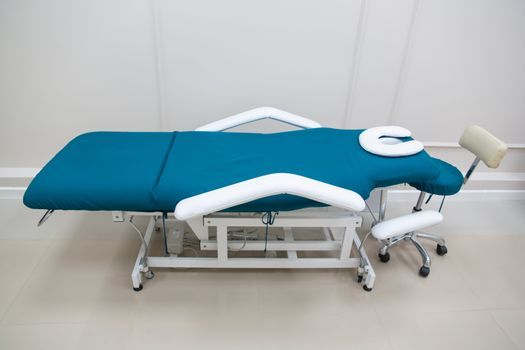
Many people improve after a single session
Benign paroxysmal positional vertigo (BPPV) is the most common cause of vertigo. Tiny calcium carbonate crystals (otoconia) that normally sit in one part of the inner ear become loose and drift into one of the semicircular canals. When you move your head in certain directions, the crystals move and send false spinning signals to the brain.
Because the problem is mechanical, it can often be fixed mechanically. A canalith repositioning maneuver guides the crystals out of the canal through a sequence of head positions. Studies show that a large share of people with the most common type improve after one or two maneuvers.
Typical BPPV symptoms
- Brief spinning vertigo, usually lasting less than a minute
- Triggered by rolling over in bed, lying down, getting up, or looking up
- Nausea during episodes
- A lingering off-balance feeling between spins
- No hearing loss caused by BPPV itself
Why identifying the canal matters
There are three semicircular canals in each ear. The posterior canal is most commonly affected, and the Epley maneuver is designed for it. The horizontal canal needs different maneuvers. Doing the wrong maneuver on the wrong side is a common reason home attempts fail. Diagnostic tests, such as the Dix-Hallpike test and supine roll test, combined with observing eye movements (nystagmus), identify which ear and canal are involved.
What to expect after treatment
- Mild unsteadiness for a few days is common
- Some people need a second or third session
- BPPV can recur, sometimes months or years later; the same treatment usually works again
- Persistent imbalance may benefit from vestibular exercises
When it might not be BPPV
Constant vertigo lasting hours or days, hearing loss, severe headache, double vision, slurred speech, or difficulty walking suggest other conditions, such as vestibular neuritis, Meniere's disease, or a central (brain) cause. Seek emergency care for any neurological symptoms.
What we do at Gangnam Yonsei ENT
Our clinic's dizziness program uses Frenzel goggles, which magnify the eyes and remove visual fixation so subtle nystagmus can be seen clearly during positional testing. Dr. Kim Yoo Suk, a board-certified otolaryngologist and former Yonsei clinical assistant professor who treats all ear conditions, uses this Frenzel goggle dizziness test to pinpoint the affected canal, then performs the matching repositioning maneuver during the same visit.
If BPPV is not confirmed, the evaluation continues to look for other causes, and a hearing test may be added. You can learn more about the range of causes on our dizziness and vertigo page.
Practical tips
- Have someone accompany you if dizziness is severe, and avoid driving to the appointment
- Wear comfortable clothing for positional testing
- Move carefully when getting out of bed until you have been assessed
English consultations are available near Gangnam-gu Office Station; see location and hours. Related: why you get dizzy rolling over in bed and vestibular neuritis recovery.
Related questions
Can I do the Epley maneuver at home?
Home Epley maneuvers can help once a doctor has confirmed posterior canal BPPV and identified the affected side. Doing it without a diagnosis may target the wrong ear or canal. Ask your doctor to demonstrate it if home practice is suitable for you.
Why does BPPV keep coming back?
BPPV recurs in a significant number of people, sometimes linked to aging, head injury, inner ear conditions, or low vitamin D. Each episode can usually be treated again with repositioning. Discuss frequent recurrences with your doctor.
Do I need medication for BPPV?
Medications do not remove the displaced crystals, so repositioning maneuvers are the main treatment. Anti-nausea medicine may help briefly during severe episodes, but long-term use of vestibular suppressants can slow the brain's natural adjustment.
Your doctor
Dr. Kim Yoo Suk, MD
Board-certified otolaryngologist (ENT). Former clinical assistant professor at Yonsei University and assistant professor at Ajou University School of Medicine. Nose & sinus subspecialist who treats all ear, nose and throat conditions.
Consultations in English. Guide for international patients →
Visit us in Gangnam
2F HS Tower, 703 Seolleung-ro, Gangnam-gu, Seoul
Gangnam-gu Office Station (Line 7 / Suin-Bundang), Exit 3-1
Mon, Tue, Thu, Fri 9:00–19:00
Wed 14:00–19:00 · Sat 9:00–14:00
Closed Sundays & public holidays
This answer is general medical information written and reviewed by an ENT specialist. It is not a diagnosis. Please see a doctor for an examination. In an emergency in Korea, call 119.