
Dizziness Testing with Frenzel Goggles in Gangnam, Seoul
Medically reviewed by Dr. Kim Yoo Suk, MD · Board-certified otolaryngologist · Former professor, Yonsei & Ajou University · Consultations in English
QUICK ANSWER
A Frenzel goggle dizziness test examines your eye movements for nystagmus, the involuntary jerking that reveals inner ear and balance disorders. At Gangnam Yonsei ENT in Gangnam, Seoul, it helps diagnose BPPV, vestibular neuritis and Meniere's disease, and BPPV can often be treated at the same visit.
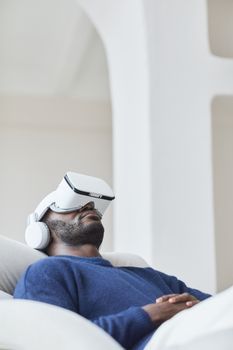
What is a Frenzel goggle test?
Frenzel goggles are magnifying, illuminated goggles (or infrared video goggles) that prevent you from fixing your gaze on objects. Visual fixation normally suppresses abnormal eye movements, so removing it lets the examiner see nystagmus, a rhythmic, involuntary eye movement generated when the balance system (vestibular system) sends mismatched signals. The direction, timing and triggers of nystagmus point to specific causes of dizziness.
What the examination includes
- Spontaneous and gaze nystagmus: observed while you sit still and look in different directions.
- Positional testing: the Dix-Hallpike and supine roll tests move your head into positions that provoke BPPV.
- Head-shaking test: may reveal an imbalance between the two inner ears.
- Bedside balance and coordination tests: help distinguish inner ear from brain causes.
Who is it for?
This test is used for people with:
- Brief spinning when turning over in bed or looking up, typical of BPPV
- Prolonged severe vertigo after a viral illness, suggesting vestibular neuritis
- Episodes of vertigo with ear fullness, tinnitus and fluctuating hearing, as in Meniere's disease
- General dizziness or vertigo of unclear cause
How it is done at our Gangnam clinic
Dr. Kim Yoo Suk is a board-certified otolaryngologist and former Yonsei and Ajou university faculty member who treats all ear, nose and throat conditions, including balance disorders. The evaluation typically involves:
- A careful history: what the dizziness feels like, how long episodes last, triggers and associated symptoms.
- Ear examination and a hearing test, since many inner ear disorders affect hearing.
- Frenzel goggle examination with positional maneuvers, lasting several minutes.
- Explanation of the findings in English.
If BPPV is confirmed, a repositioning maneuver such as the Epley maneuver can often be performed immediately. Other diagnoses lead to medication, vestibular rehabilitation exercises or further investigation.
After the test
Positional testing can briefly provoke vertigo and nausea, so you may want to rest before leaving. Arrange not to drive yourself if you are very dizzy. Most people return to normal activities the same day.
Risks and limitations
The examination is safe, though it may temporarily reproduce symptoms. Frenzel goggles are a bedside tool; some conditions need laboratory vestibular testing or MRI for full evaluation. Importantly, not all dizziness comes from the ear. Call emergency services or go to an emergency room immediately for dizziness with sudden severe headache, double vision, slurred speech, facial drooping, weakness, numbness or difficulty walking, as these may signal a stroke.
Practical information for foreign patients
Dizziness is frightening when you are far from home. Dr. Kim explains each step and diagnosis in English, and an English medical certificate can document your condition for work, school or travel insurance. The clinic is right in front of Gangnam-gu Office Station Exit 3-1; consider taking a taxi if you are unsteady. Directions are on the location page; you can also visit the ear clinic section and Dr. Kim's biography.
Frequently asked questions
Will the dizziness test make me feel sick?
Positional maneuvers may briefly trigger vertigo and nausea if you have BPPV, which is actually how the diagnosis is confirmed. Symptoms usually settle within a minute. You can rest afterward, and it is wise not to drive immediately.
Can BPPV be treated on the same day as testing?
Often, yes. When Frenzel goggle testing identifies which canal is affected, Dr. Kim can perform a repositioning maneuver such as the Epley maneuver during the same visit. Some patients need more than one session.
When is dizziness an emergency?
Seek emergency care immediately if dizziness comes with sudden severe headache, double vision, slurred speech, facial drooping, weakness, numbness or inability to walk. These may indicate a stroke and should not wait for an ENT appointment.
Your doctor
Dr. Kim Yoo Suk, MD
Board-certified otolaryngologist (ENT). Former clinical assistant professor at Yonsei University and assistant professor at Ajou University School of Medicine. Nose & sinus subspecialist who treats all ear, nose and throat conditions.
Consultations in English. Guide for international patients →
Visit us in Gangnam
2F HS Tower, 703 Seolleung-ro, Gangnam-gu, Seoul
Gangnam-gu Office Station (Line 7 / Suin-Bundang), Exit 3-1
Mon, Tue, Thu, Fri 9:00–19:00
Wed 14:00–19:00 · Sat 9:00–14:00
Closed Sundays & public holidays
Related pages
This page is general medical information written and reviewed by an ENT specialist. It is not a diagnosis or a guarantee of results; every treatment carries risks, and suitability is decided only after an examination. In an emergency in Korea, call 119.