
Will a Perforated Eardrum Heal on Its Own? An ENT in Gangnam, Seoul Explains
Answered by Dr. Kim Yoo Suk, MD · Board-certified otolaryngologist · Former professor, Yonsei & Ajou University · Consultations in English
SHORT ANSWER
Most small, recent eardrum perforations from infection or minor injury heal on their own within a few weeks, provided the ear is kept dry and infection is controlled. Larger, long-standing, or repeatedly infected perforations may not close and can need surgical repair. An ENT should check hearing and confirm the eardrum has healed.
Many perforations close by themselves
The eardrum (tympanic membrane) is a thin, three-layered membrane that separates the ear canal from the middle ear. An eardrum perforation is a hole or tear in it. The eardrum has a good capacity to heal, and many small perforations close within a few weeks to a couple of months.
Common causes
- Middle ear infection: pressure from pus bursts the eardrum, often with sudden discharge and pain relief
- Cotton swabs, ear picks, or other objects pushed too deep
- Pressure injury: a slap to the ear, diving, or rapid pressure change
- Very loud blasts close to the ear
- Head injury
Symptoms
- Sudden ear pain, sometimes followed by relief
- Discharge or a little blood from the ear
- Muffled hearing
- Ringing in the ear
- Dizziness in some cases
What affects healing
Small perforations from a recent injury or acute infection have the most favorable outlook. Healing is less likely when the hole is large, when it has been present for months, when it keeps getting infected, or when it is associated with chronic otitis media. Smoking may also slow healing.
How to care for your ear while it heals
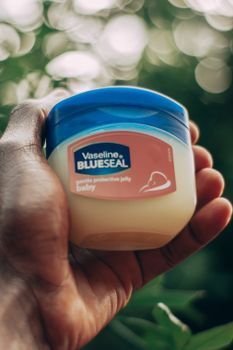
- Keep water out: use a cotton ball coated with petroleum jelly when showering
- Avoid swimming until your doctor confirms healing
- Do not use ear drops unless prescribed, as some are not safe with a perforation
- Do not insert cotton swabs or earphones deep into the canal
- Blow your nose gently, one side at a time
- Ask about flying if you have travel planned
See a doctor promptly if
- You have significant hearing loss or ringing after an injury
- You feel dizzy or the room is spinning
- Discharge is persistent, smelly, or bloody
- You develop facial weakness, severe headache, or swelling behind the ear
Dizziness and marked hearing loss after an injury can indicate inner ear involvement, which needs urgent evaluation.
What we do at Gangnam Yonsei ENT
Dr. Kim Yoo Suk, a board-certified otolaryngologist and former university professor at Yonsei and Ajou, examines the eardrum under magnification to measure the size and location of the perforation and to look for infection. Gentle cleaning removes discharge, and a hearing test records how much hearing is affected, which also serves as a baseline for recovery. If infection is present, appropriate treatment, often safe antibiotic drops, is prescribed.
Follow-up visits check that the eardrum is closing. If a perforation has not healed after about three months, or causes recurrent discharge or significant hearing loss, surgical repair (tympanoplasty or myringoplasty) may be discussed and arranged in an appropriate setting. More about middle ear infections is on our acute otitis media page.
Documentation
If the perforation followed an accident or assault, an English medical certificate can be issued. English consultations are available near Gangnam-gu Office Station; see our English-speaking ENT page. Related: whether adult ear infections need antibiotics and how to clean your ears safely.
Related questions
How long does a perforated eardrum take to heal?
Many small perforations heal within a few weeks, and most that will heal on their own do so within about three months. Your doctor will check progress at follow-up visits and arrange a hearing test once it has closed.
Can I shower with a perforated eardrum?
Yes, but keep water out of the ear. Place a cotton ball coated with petroleum jelly in the outer ear or use a fitted earplug. Avoid swimming and diving until your doctor confirms the eardrum has healed.
Will my hearing return after the eardrum heals?
Hearing usually improves as a small perforation closes. If hearing remains reduced after healing, there may be middle or inner ear involvement, and a hearing test helps identify the cause and guide further treatment.
Your doctor
Dr. Kim Yoo Suk, MD
Board-certified otolaryngologist (ENT). Former clinical assistant professor at Yonsei University and assistant professor at Ajou University School of Medicine. Nose & sinus subspecialist who treats all ear, nose and throat conditions.
Consultations in English. Guide for international patients →
Visit us in Gangnam
2F HS Tower, 703 Seolleung-ro, Gangnam-gu, Seoul
Gangnam-gu Office Station (Line 7 / Suin-Bundang), Exit 3-1
Mon, Tue, Thu, Fri 9:00–19:00
Wed 14:00–19:00 · Sat 9:00–14:00
Closed Sundays & public holidays
This answer is general medical information written and reviewed by an ENT specialist. It is not a diagnosis. Please see a doctor for an examination. In an emergency in Korea, call 119.