
How Should I Clean My Ears Safely? An ENT in Gangnam, Seoul Explains Earwax
Answered by Dr. Kim Yoo Suk, MD · Board-certified otolaryngologist · Former professor, Yonsei & Ajou University · Consultations in English
SHORT ANSWER
Most ears clean themselves, so routine cleaning inside the canal is not needed. Wipe only the outer ear with a cloth. Avoid cotton swabs, ear picks, and ear candles, which push wax deeper or injure the canal. If wax causes blockage, softening drops or professional removal by an ENT using a microscope and suction are safest.
Your ears are designed to clean themselves
Earwax (cerumen) is a natural substance made by glands in the outer ear canal. It traps dust, repels water, and has antibacterial properties. Jaw movement from talking and chewing slowly moves old wax outward, where it dries and falls out. In most people, the ear canal needs no cleaning at all.
Wax types vary. Many East Asian people have dry, flaky wax, while many people of European or African ancestry have wet, sticky wax. Both are normal.
Why cotton swabs and ear picks cause problems
- They push wax deeper, causing earwax impaction
- They scratch the thin canal skin, leading to otitis externa(outer ear infection)
- They can perforate the eardrum if pushed too far
- Frequent cleaning removes protective wax, causing itching that tempts more cleaning
Ear picking is a common habit in Korea, and ear candles are widely sold online. Ear candling has not been shown to remove wax and can cause burns or block the canal with candle wax.
Earphones, hearing aids, and wax
Wearing in-ear earphones or earplugs for many hours a day, which is common on long subway commutes and in open-plan offices, can block the natural outward movement of wax and push it back toward the eardrum. Clean the ear tips regularly and give your ears breaks.
Signs of wax impaction
- A blocked or full feeling
- Muffled hearing, sometimes sudden after showering
- Tinnitus
- Itching or mild discomfort
- Occasionally dizziness or a cough
Safe options at home
- Wipe the outer ear with a washcloth after showering
- Use over-the-counter softening drops or a few drops of olive oil for several days if wax builds up, unless you have a known eardrum perforation or ear surgery
- Avoid inserting anything into the canal
When to see an ENT
- Hearing loss, pain, discharge, or bleeding from the ear
- Blockage that does not clear with softening drops
- A history of eardrum perforation, ear surgery, or ear tubes
- Diabetes or a weakened immune system, which raise the risk of ear canal infection
- Hearing aid users, who often need periodic professional cleaning
Sudden hearing loss without obvious wax should always be checked promptly, as it may be an inner ear problem.
What we do at Gangnam Yonsei ENT
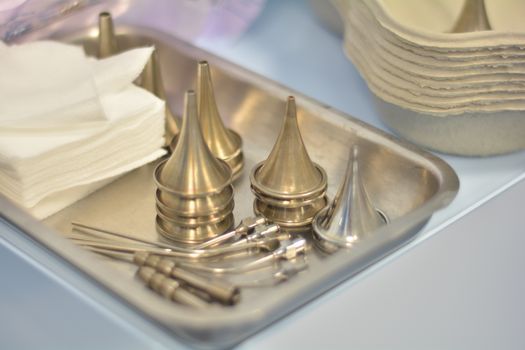
Dr. Kim Yoo Suk, a board-certified otolaryngologist and former university professor at Yonsei and Ajou, performs professional ear cleaning under direct visualization. Using a microscope or endoscope with fine instruments or gentle suction, wax can be removed precisely while protecting the canal and eardrum. This approach also allows the eardrum to be examined once the canal is clear.
If hearing remains reduced after wax removal, a hearing test can check for another cause, such as hearing loss unrelated to wax.
English consultations are available, and walk-ins are welcome near Gangnam-gu Office Station. See our English-speaking ENT page. Related: swimmer's ear versus a middle ear infection and whether tinnitus goes away.
Related questions
How often should I get my ears professionally cleaned?
Most people never need routine professional cleaning. Those who produce a lot of wax, have narrow canals, or wear hearing aids or earphones constantly may benefit from periodic cleaning, sometimes every six to twelve months, as advised by their doctor.
Are ear cleaning cameras with picks safe?
Camera-equipped ear picks let you see inside the canal, but they still carry a risk of scratching the canal or pushing wax deeper, especially without training. If you have symptoms of blockage, professional removal is safer.
Can I use hydrogen peroxide to remove earwax?
Diluted hydrogen peroxide drops are sometimes used to soften wax, but they can irritate the canal skin in some people. Do not use any drops if you have a perforated eardrum, ear tubes, ear pain, or discharge. Ask a doctor if unsure.
Your doctor
Dr. Kim Yoo Suk, MD
Board-certified otolaryngologist (ENT). Former clinical assistant professor at Yonsei University and assistant professor at Ajou University School of Medicine. Nose & sinus subspecialist who treats all ear, nose and throat conditions.
Consultations in English. Guide for international patients →
Visit us in Gangnam
2F HS Tower, 703 Seolleung-ro, Gangnam-gu, Seoul
Gangnam-gu Office Station (Line 7 / Suin-Bundang), Exit 3-1
Mon, Tue, Thu, Fri 9:00–19:00
Wed 14:00–19:00 · Sat 9:00–14:00
Closed Sundays & public holidays
This answer is general medical information written and reviewed by an ENT specialist. It is not a diagnosis. Please see a doctor for an examination. In an emergency in Korea, call 119.