
Should I Go to a Korean Pharmacy or an ENT Clinic in Gangnam, Seoul?
Answered by Dr. Kim Yoo Suk, MD · Board-certified otolaryngologist · Former professor, Yonsei & Ajou University · Consultations in English
SHORT ANSWER
For a mild cold lasting a few days, a Korean pharmacy (약국) can suggest over-the-counter relief. See an ENT if symptoms last beyond about 10 days, are severe, involve the ear, cause fever or painful swallowing, or keep returning. ENT visits in Korea are walk-in, and prescription medicines such as antibiotics require one.
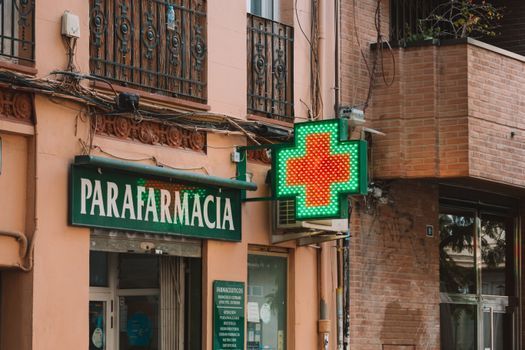
Pharmacy for mild, short-lived symptoms; ENT for the rest
Korea has pharmacies on almost every block, marked with the character 약 ("yak"). Pharmacists can recommend over-the-counter (OTC) products for minor complaints. However, many medicines that are OTC elsewhere, and all antibiotics, need a doctor's prescription in Korea. Pharmacists also cannot look inside your ear or nose.
When a pharmacy is reasonable
- A mild common cold in its first few days
- Mild sore throat without high fever
- Saline nasal spray or rinse kits
- Pain relievers such as acetaminophen, if suitable for you
Show the pharmacist your symptoms list or a translation app, and mention allergies, pregnancy and other medicines. Korean combination cold products may contain several active ingredients, so avoid doubling up.
When to see an ENT instead
- Nasal symptoms lasting more than 10 days, or worsening after improving
- Facial pain, thick colored discharge or fever, suggesting sinusitis
- Any ear pain, discharge, blockage or hearing change
- Painful swallowing, fever and swollen tonsils, such as tonsillitis
- Hoarseness lasting more than two to three weeks
- Dizziness or ringing in the ears
- Recurrent nosebleeds or nasal sprays you cannot stop using
How the two work together in Korea
The typical Korean pattern is: see the ENT, receive a prescription, then fill it at a pharmacy nearby. ENT clinics often provide in-office treatment the pharmacy cannot, such as nasal suction, nebulized medication or ear canal cleaning, which can bring faster relief.
Prescription medicines are usually dispensed in daily pouches combining several tablets. Ask the pharmacist, or the doctor before you leave, what each component is for, especially if you will continue treatment after returning home.
What we do at Gangnam Yonsei ENT
At our clinic, Dr. Kim Yoo Suk explains in English what each prescribed medicine does and how long to take it. He is a board-certified otolaryngologist who previously taught at Yonsei and Ajou University medical schools, and he follows a conservative approach: antibiotics only when bacterial infection is likely, steroid sprays and rinses for inflammation, and clear advice on stopping decongestant sprays to prevent rebound congestion.
For ear symptoms, examination is essential, because pain can come from the ear canal, the middle ear, the jaw joint or even the throat. A quick look under magnification answers that, and professional ear cleaning is available when wax or debris is the problem.
Copies of prescriptions and an English medical certificate can be provided on request.
Where to find us
We are directly in front of Gangnam-gu Office Station Exit 3-1, and several pharmacies are close by. Walk-ins welcome; see location and hours.
Emergency signs
Skip both the pharmacy and the clinic and go to an emergency department for breathing difficulty, drooling with inability to swallow, a rapidly swelling neck, or a high fever with stiff neck or confusion.
Related questions
Can a Korean pharmacist give me antibiotics without a prescription?
No. Antibiotics require a doctor's prescription in Korea. If you think you have a bacterial infection, see a doctor. Dr. Kim prescribes antibiotics when the examination supports a bacterial cause, which avoids unnecessary courses and side effects.
Are pharmacies open on Sundays?
Some pharmacies open on Sundays and holidays on a rotating basis, but many close. Ask at the clinic on Saturday whether you need enough medicine to last until Monday, and check opening times before relying on a weekend pharmacy.
Can I bring my Korean prescription medicine home?
Usually you can carry a personal supply, but rules vary by country, particularly for certain drug classes. Keep the pharmacy label or receipt and ask for an English medical certificate or prescription copy to show customs if needed.
Your doctor
Dr. Kim Yoo Suk, MD
Board-certified otolaryngologist (ENT). Former clinical assistant professor at Yonsei University and assistant professor at Ajou University School of Medicine. Nose & sinus subspecialist who treats all ear, nose and throat conditions.
Consultations in English. Guide for international patients →
Visit us in Gangnam
2F HS Tower, 703 Seolleung-ro, Gangnam-gu, Seoul
Gangnam-gu Office Station (Line 7 / Suin-Bundang), Exit 3-1
Mon, Tue, Thu, Fri 9:00–19:00
Wed 14:00–19:00 · Sat 9:00–14:00
Closed Sundays & public holidays
This answer is general medical information written and reviewed by an ENT specialist. It is not a diagnosis. Please see a doctor for an examination. In an emergency in Korea, call 119.