
Can Sleep Apnea Be Treated Without CPAP? An ENT in Gangnam, Seoul Answers
Answered by Dr. Kim Yoo Suk, MD · Board-certified otolaryngologist · Former professor, Yonsei & Ajou University · Consultations in English
SHORT ANSWER
Yes, for many people. Depending on severity and where the airway narrows, sleep apnea can be treated with an oral appliance that moves the jaw forward, weight loss, positional therapy, or surgery on the nose, tonsils, palate, or tongue base. CPAP remains the most reliable option for moderate to severe sleep apnea, so the choice should follow testing.
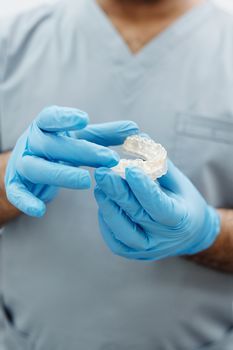
Yes, but the right option depends on your test results
Obstructive sleep apnea(OSA) happens when the upper airway repeatedly collapses during sleep. CPAP (continuous positive airway pressure) keeps the airway open with gentle air pressure through a mask and is highly effective when worn. However, many people find it hard to use every night, especially when traveling. Alternatives exist, and the right choice depends on severity and the site of narrowing.
Non-CPAP options
Oral appliance (mandibular advancement device)
A custom mouthguard-like device worn at night holds the lower jaw slightly forward, enlarging the space behind the tongue. It is commonly used for mild to moderate OSA and for people who cannot tolerate CPAP. It is usually made by a dentist experienced in sleep appliances.
Lifestyle and positional therapy
- Weight loss, which can significantly reduce severity in many people
- Sleeping on your side if apnea is worse on your back
- Avoiding alcohol and sedatives in the evening
- Treating nasal congestion so you breathe through your nose
Surgery
Surgery aims to enlarge or stabilize the specific part of the airway that collapses:
- Nose: septoplasty and turbinate reduction to improve nasal airflow. Alone, these rarely cure OSA, but they can reduce snoring and make CPAP or an appliance easier to use.
- Tonsils and palate: tonsillectomy when tonsils are large, sometimes combined with palate procedures.
- Tongue base: radiofrequency tongue base reduction in selected cases.
Why testing comes first
An overnight sleep study measures how many breathing events occur per hour and how low oxygen levels drop. Severe OSA with very low oxygen is usually managed with CPAP, at least initially. Mild OSA with a clear anatomical cause may respond well to an appliance or targeted surgery.
What we do at Gangnam Yonsei ENT
Dr. Kim Yoo Suk, a former university professor who has published on five-year outcomes of sleep apnea surgery, evaluates the whole airway before recommending treatment. Assessment can include nasal endoscopy, a cephalogram to assess jaw and airway structure, CT when sinus disease is suspected, and polysomnography.
The clinic's sleep program considers surgery, oral appliances, CPAP, and lifestyle change, and explains the realistic expectations of each. Nasal surgeries are performed under local anesthesia, and most patients go home the same day. You can compare options on our CPAP and oral appliance page.
Honest expectations
No single treatment works for everyone. Surgery success depends heavily on patient selection, and some people need a combination, such as nasal surgery plus an oral appliance. Follow-up testing after treatment confirms whether it is working.
When to seek help promptly
If you are drowsy while driving, have witnessed breathing pauses, or have high blood pressure that is hard to control, arrange an evaluation soon. English consultations are available; see the English-speaking ENT guide or read whether your snoring could be sleep apnea.
Related questions
Does an oral appliance work as well as CPAP?
For mild to moderate sleep apnea, oral appliances can work well, and many people use them more consistently than CPAP. For severe sleep apnea, CPAP is generally more effective. A follow-up sleep study confirms how well the appliance is working.
Can losing weight cure sleep apnea?
Weight loss can greatly reduce sleep apnea severity and sometimes resolves mild cases. It is less likely to fully cure apnea caused mainly by jaw structure, large tonsils, or nasal obstruction, which may need additional treatment.
Is snoring surgery the same as sleep apnea surgery?
Not exactly. Snoring surgery targets the noise, while sleep apnea surgery aims to reduce airway collapse. Some procedures overlap, but sleep apnea should always be confirmed and measured with a sleep study before deciding on surgery.
Your doctor
Dr. Kim Yoo Suk, MD
Board-certified otolaryngologist (ENT). Former clinical assistant professor at Yonsei University and assistant professor at Ajou University School of Medicine. Nose & sinus subspecialist who treats all ear, nose and throat conditions.
Consultations in English. Guide for international patients →
Visit us in Gangnam
2F HS Tower, 703 Seolleung-ro, Gangnam-gu, Seoul
Gangnam-gu Office Station (Line 7 / Suin-Bundang), Exit 3-1
Mon, Tue, Thu, Fri 9:00–19:00
Wed 14:00–19:00 · Sat 9:00–14:00
Closed Sundays & public holidays
This answer is general medical information written and reviewed by an ENT specialist. It is not a diagnosis. Please see a doctor for an examination. In an emergency in Korea, call 119.