
English-Speaking ENT in Gangnam, Seoul for Patients from India and South Asia
🌍 Welcoming patients from around the world · Consultations in English with Dr. Kim Yoo Suk, MD, former professor at Yonsei & Ajou University
IN SHORT
Patients from India and South Asia can consult an ENT specialist in Gangnam directly, usually the same day and in English. Dr. Kim Yoo Suk is a board-certified otolaryngologist and former Yonsei and Ajou professor who treats all ear, nose and throat problems. You pay at the desk; itemized receipts, English certificates and record copies are available.
An ENT visit in Korea compared with home
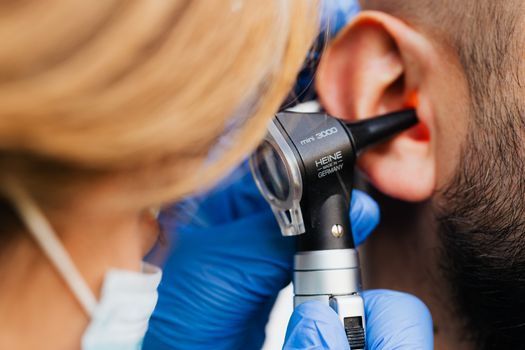
In India, Pakistan, Bangladesh, Sri Lanka and Nepal, many people see an ENT surgeon directly at a private clinic or hospital, so Korean direct access may feel familiar. The differences are mainly in process: Korean clinics register you with your passport or Residence Card, the doctor examines you with in-room endoscopy where needed, and you pay at the end. Prescriptions are filled at a separate pharmacy, and many medicines that can be bought without a prescription in South Asia, including antibiotics, require a doctor's prescription in Korea.
Consultations in English
Consultations at our English-speaking clinic are in English, which many South Asian patients use comfortably. We do not offer Hindi, Urdu, Bengali, Tamil or other language service; family members or a translation app can help if needed.
Your doctor
Dr. Kim Yoo Suk trained at Yonsei University College of Medicine, served as a clinical assistant professor there, and later became an assistant professor at Ajou University School of Medicine. His subspecialty is rhinology, with publications on chronic rhinosinusitis and allergy, but he treats every kind of ENT condition, from ear infections to voice and sleep problems. He explains each diagnosis clearly, discusses options openly, and avoids unnecessary tests or procedures, which many patients appreciate when they are new to the Korean system and unsure what to expect.
Common ENT issues for South Asian residents
- Cold-weather adjustment. For people from warm climates, a first Seoul winter often brings repeated colds, dry nose and acute sinusitis.
- Allergic rhinitis. Many patients already have dust mite allergy; spring pollen and fine dust in Seoul can add to it. An allergy test helps identify triggers.
- Ear wax and ear infections. Habitual cleaning with cotton buds or oil can lead to earwax impaction or outer ear infection. Professional ear cleaning is safer.
- Chronic ear discharge from a long-standing eardrum perforation, which deserves a specialist exam.
For IT professionals, researchers and students
Many South Asians in Seoul work in tech, engineering or research, or study at Korean universities. If you have been in Korea for six months or longer on a work or study visa, you are generally required to be enrolled in National Health Insurance; check your status with NHIS or your employer. Bring your Residence Card so the clinic can process your visit correctly.
Documents for insurance or employers
- Itemized receipt for each service
- English medical certificate, which some employers accept for sick leave
- Copies of medical records, audiograms or test results
The clinic does not bill insurers directly. Read the insurance claim documents guide for claim tips.
Practical tips
- Card payment is standard; carry a credit or debit card that works internationally.
- Tell the doctor about any Ayurvedic, homeopathic or herbal remedies you take.
- If you are vegetarian or avoid certain ingredients, ask the pharmacist about capsule contents.
- Emergency number: 119.
The clinic is at Gangnam-gu Office Station, Exit 3-1. See location and hours, read our guide for expats, or return to the International Patients hub.
Frequently asked questions
Can I buy antibiotics at a Korean pharmacy without a prescription?
Generally no. In Korea, antibiotics and many other medicines require a doctor's prescription. If you think you have a sinus or ear infection, see a doctor first. Dr. Kim will examine you and prescribe antibiotics only when they are actually needed.
Is it safe to clean my ears with oil or cotton buds?
Routine cleaning is usually unnecessary, because ears clean themselves. Cotton buds can push wax deeper and scratch the canal, and oil may encourage infection if the eardrum has a hole. If your ear feels blocked, have it checked and cleaned by an ENT.
Will my employer accept an English medical certificate?
The clinic can issue an English medical certificate stating your diagnosis and treatment. Whether it satisfies your employer's sick-leave policy depends on the company. Ask your HR team what wording they need and mention it when you request the certificate.
Before your visit
- Bring your passport or Alien Registration Card (ARC)
- Walk-ins and WhatsApp messages welcome:+82-10-5344-4464
- Ask for an itemized receipt, medical record copies or an English medical certificate for insurance claims
- Consultations in English
Find us in Gangnam
2F HS Tower, 703 Seolleung-ro, Gangnam-gu, Seoul
서울특별시 강남구 선릉로 703, 2층
Gangnam-gu Office Station, Exit 3-1
Mon, Tue, Thu, Fri 9:00–19:00 · Wed 14:00–19:00 · Sat 9:00–14:00
General information for international patients, reviewed by an ENT specialist. Insurance coverage and claim rules depend on your own insurer — please check with them. In an emergency in Korea, call 119.