
Intratympanic Steroid Injection in Gangnam, Seoul
Medically reviewed by Dr. Kim Yoo Suk, MD · Board-certified otolaryngologist · Former professor, Yonsei & Ajou University · Consultations in English
QUICK ANSWER
An intratympanic steroid injection delivers corticosteroid medication through the eardrum directly into the middle ear, where it diffuses into the inner ear. At Gangnam Yonsei ENT in Gangnam, Seoul, it is used mainly for sudden sensorineural hearing loss, alone or with oral steroids, with the procedure explained in English by Dr. Kim Yoo Suk.
What is an intratympanic steroid injection?
An intratympanic (IT) steroid injection is an office procedure in which a corticosteroid, such as dexamethasone, is injected through the eardrum into the middle ear space. From there, the medication passes through the round window membrane into the inner ear (cochlea). This route achieves higher steroid concentrations in the inner ear than oral tablets while greatly reducing whole-body side effects.
Who is it for?
The main indication is sudden sensorineural hearing loss(SSNHL), a rapid drop in hearing, usually in one ear, over up to 72 hours. IT steroids may be used:
- As initial treatment combined with oral steroids
- As an alternative when oral steroids are unsuitable, for example with poorly controlled diabetes
- As salvage treatment when hearing has not recovered after oral steroids
In selected cases, IT steroids are also considered for Meniere's disease. They are not a routine treatment for chronic tinnitus or gradual hearing loss.
How it is done at our Gangnam clinic
Dr. Kim Yoo Suk is a board-certified otolaryngologist and former Yonsei and Ajou university faculty member. Although he subspecialized in rhinology, he treats all ear disorders, including sudden hearing loss. Before treatment, a hearing test confirms sensorineural loss and establishes a baseline, and tympanometry checks the middle ear.
- You lie down with the affected ear facing up.
- A topical anesthetic is applied to the eardrum.
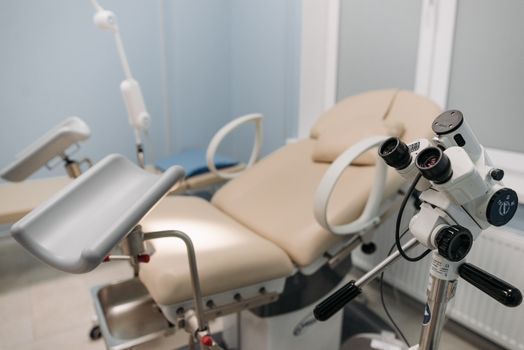
- Using a microscope or endoscope, a fine needle delivers the steroid into the middle ear.
- You remain lying still for a period, avoiding swallowing and talking as much as possible, so the medication stays near the round window.
A course commonly involves several injections over one to two weeks, with repeat hearing tests to monitor response.
Aftercare
- Keep water out of the ear until advised otherwise.
- Mild ear discomfort, brief dizziness or a bitter taste can occur and usually pass quickly.
- Attend follow-up hearing tests so response can be measured objectively.
Risks and limitations
Possible effects include temporary pain, transient vertigo, middle ear infection and, uncommonly, a persistent eardrum perforation. Hearing recovery after sudden hearing loss is variable; some people recover fully, some partially, and some not at all, regardless of treatment. Starting treatment early, ideally within the first two weeks, is generally associated with better chances. One-sided sensorineural loss usually warrants MRI to exclude rare causes.
Practical information for foreign patients
If you notice sudden hearing loss in Seoul, do not wait for it to clear like a blocked ear; seek evaluation promptly. Because treatment involves several visits, consider this when planning travel, including flights. Dr. Kim explains each step in English, and records are available for your doctor at home. See hours and directions and Dr. Kim's profile.
Frequently asked questions
How quickly should sudden hearing loss be treated?
As soon as possible. Treatment is generally recommended within the first two weeks, and earlier is better. If one ear suddenly sounds muffled without obvious cause, see an ENT promptly for a hearing test rather than waiting.
Does an intratympanic injection hurt?
The eardrum is numbed with topical anesthetic first. Most patients feel brief pressure, a short sting, or momentary dizziness as the cool liquid enters. Discomfort is usually mild and short-lived.
How many intratympanic injections will I need?
A typical course involves several injections spaced over one to two weeks, though protocols vary. Dr. Kim repeats hearing tests during treatment to monitor your response and adjusts the plan accordingly.
Your doctor
Dr. Kim Yoo Suk, MD
Board-certified otolaryngologist (ENT). Former clinical assistant professor at Yonsei University and assistant professor at Ajou University School of Medicine. Nose & sinus subspecialist who treats all ear, nose and throat conditions.
Consultations in English. Guide for international patients →
Visit us in Gangnam
2F HS Tower, 703 Seolleung-ro, Gangnam-gu, Seoul
Gangnam-gu Office Station (Line 7 / Suin-Bundang), Exit 3-1
Mon, Tue, Thu, Fri 9:00–19:00
Wed 14:00–19:00 · Sat 9:00–14:00
Closed Sundays & public holidays
This page is general medical information written and reviewed by an ENT specialist. It is not a diagnosis or a guarantee of results; every treatment carries risks, and suitability is decided only after an examination. In an emergency in Korea, call 119.