
Flying with Ear and Sinus Problems: ENT Guide from Gangnam, Seoul
🌍 Welcoming patients from around the world · Consultations in English with Dr. Kim Yoo Suk, MD, former professor at Yonsei & Ajou University
IN SHORT
Flying with a cold, sinus infection or blocked ear can cause severe pain on descent because the ears and sinuses cannot equalize pressure. Swallow, yawn and use the Valsalva maneuver gently during descent, and ask a doctor about decongestants. See an ENT before flying if you have ear pain, an ear infection or recent ear surgery.
Why flying hurts when you are congested
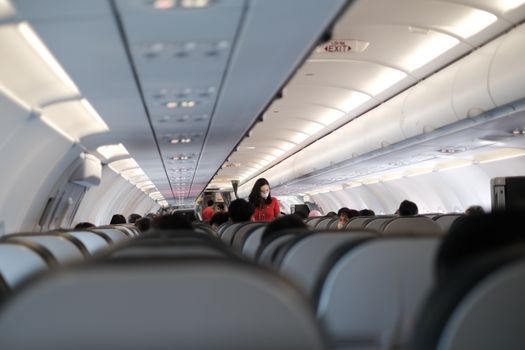
Cabin pressure drops during ascent and rises again during descent. Your middle ear and sinuses contain air that must equalize with the cabin. The Eustachian tube links the middle ear to the back of the nose, and small openings drain each sinus. When these passages are swollen by a cold, allergy or sinusitis, air cannot move freely. The result is ear barotrauma, known as airplane ear, or sinus barotrauma with sharp facial pain. Descent is usually worse than ascent.
Before you fly: a step-by-step checklist
- Assess your symptoms. A mild runny nose is usually manageable. Ear pain, a known ear infection, heavy congestion or recent ENT surgery are reasons to see a doctor first.
- Get checked if unsure. An ENT can examine the eardrum and check middle ear pressure with tympanometry.
- Ask about medication. A doctor may suggest a decongestant nasal spray used shortly before descent, or tablets if they suit your health. Do not use decongestant sprays for more than a few days.
- Treat allergies. If allergic rhinitis is the cause, using your usual steroid spray regularly helps.
- Plan for long trips. Connections mean extra descents, so pack your nasal spray, any prescribed medicine and a refillable water bottle in your carry-on rather than checked luggage.
During the flight
- Stay awake for descent and swallow often; chewing gum or sipping water helps.
- Yawn widely, or gently pinch your nose and blow with your mouth closed (Valsalva). Never blow hard.
- Filtered pressure-regulating earplugs may help some travelers.
- Drink water; cabin air is very dry.
After landing: when to see an ENT
Mild fullness often clears within a few hours to a couple of days. See a doctor if you have:
- Ear pain or fullness that lasts more than two days
- Noticeable hearing loss, or sudden hearing loss in one ear, which needs urgent assessment; see sudden hearing loss
- Dizziness, ringing or fluid or blood from the ear
- Facial pain, fever or thick discharge suggesting sinusitis
After nasal or ear surgery
If you have had nasal surgery, ask your surgeon before flying. For example, after septoplasty at our clinic, packing stays in for one day and the nose should be protected for about two weeks; after sinus surgery, crusting lasts two to three weeks with weekly follow-ups. Discuss flight timing before booking. After a nasal fracture reduction, the external splint stays on for about five days. Ear procedures such as myringotomy also have specific flying advice, so check with your surgeon.
What we do at Gangnam Yonsei ENT
Dr. Kim Yoo Suk, a board-certified otolaryngologist and former Yonsei and Ajou professor with a rhinology subspecialty, examines the ears and nose and explains in English whether flying is reasonable. Our English-speaking clinic is two minutes from Gangnam-gu Office Station, convenient before an airport trip. Tourists can read our guide for tourists, parents our guide to traveling with children, and everyone can find hours on the location page or more guides on the International Patients hub.
Frequently asked questions
Can I fly with a sinus infection?
Many people can, but it may be painful, especially during descent. Ask a doctor whether a decongestant before descent is suitable. If you have severe facial pain, fever or an ear infection as well, see an ENT before flying to decide on treatment and timing.
How long does airplane ear last?
Mild airplane ear often resolves within a few hours to a couple of days. If fullness, pain or reduced hearing lasts longer than two days, or you have dizziness or discharge, see an ENT. Fluid behind the eardrum can take longer to clear and may need treatment.
Is the Valsalva maneuver safe?
A gentle Valsalva, pinching the nose and softly blowing with the mouth closed, is generally safe and helps open the Eustachian tubes. Avoid blowing hard, which can injure the inner ear. Stop and see a doctor if it causes sharp pain or dizziness.
Before your visit
- Bring your passport or Alien Registration Card (ARC)
- Walk-ins and WhatsApp messages welcome: +82-10-5344-4464
- Ask for an itemized receipt, medical record copies or an English medical certificate for insurance claims
- Consultations in English
Find us in Gangnam
2F HS Tower, 703 Seolleung-ro, Gangnam-gu, Seoul
서울특별시 강남구 선릉로 703, 2층
Gangnam-gu Office Station, Exit 3-1
Mon, Tue, Thu, Fri 9:00–19:00 · Wed 14:00–19:00 · Sat 9:00–14:00
General information for international patients, reviewed by an ENT specialist. Insurance coverage and claim rules depend on your own insurer — please check with them. In an emergency in Korea, call 119.