
Can I Fly Home After an Ear Infection Treated in Gangnam, Seoul?
Answered by Dr. Kim Yoo Suk, MD · Board-certified otolaryngologist · Former professor, Yonsei & Ajou University · Consultations in English
SHORT ANSWER
It depends on the type of infection. An outer ear infection usually does not stop you flying, but an active middle ear infection or fluid behind the eardrum can make descent painful and occasionally rupture the eardrum. Have your ears examined before flying; Dr. Kim Yoo Suk in Gangnam can check them and advise in English.
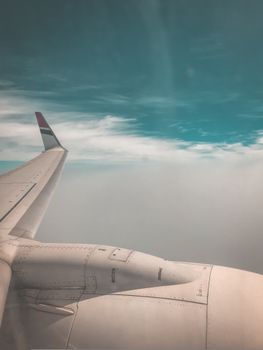
Short answer: get the ear checked first
Whether flying is reasonable depends on which part of the ear is infected and how well your Eustachian tube is working. The Eustachian tube connects the middle ear to the back of the nose and equalizes pressure. When it is blocked by inflammation, the change in cabin pressure, especially during descent, pulls on the eardrum.
Outer versus middle ear infection
- Otitis externa affects the ear canal outside the eardrum. It can be painful, but it does not usually affect pressure equalization, so flying is generally possible once treatment has started.
- Acute otitis media is infection behind the eardrum. Flying during the active phase can cause severe pain, and pressure changes can lead to eardrum perforation.
- Otitis media with effusion is fluid behind the eardrum after an infection. It can cause muffled hearing and pressure trouble on flights for weeks.
If you already have a perforated eardrum
A perforation, which can follow an infection, actually lets pressure equalize through the hole, so flying itself is often less painful. However, the ear must be kept dry and checked to confirm it is healing. See eardrum perforation.
What we do at Gangnam Yonsei ENT
Dr. Kim Yoo Suk, a board-certified otolaryngologist and former assistant professor at Ajou University School of Medicine, examines the ear canal and eardrum under magnification. He may add tympanometry, a quick test of eardrum movement and middle ear pressure, and a hearing test if hearing feels reduced.
Based on the findings, he will explain in English whether it is reasonable to fly, what to use before and during the flight, and whether a short delay is wiser. If fluid persists for a long time, options such as myringotomy can be discussed. An English medical certificate is available if your airline or insurer needs one for a change of travel plans.
Tips if you are cleared to fly
- Use a decongestant nasal spray about 30 minutes before descent only if your doctor recommends it.
- Swallow, yawn or chew gum during descent; stay awake as the plane comes down.
- Try a gentle Valsalva maneuver: pinch your nose and blow gently with your mouth closed. Never blow forcefully.
- Treat nasal congestion from a cold or allergies beforehand.
- Keep the ear dry if you have an outer ear infection or perforation.
Long-haul flights home
Flights from Seoul to Europe or North America are long, and a blocked ear can be uncomfortable for many hours after landing. If your ear was recently infected, ask the doctor for a plan covering the whole journey, including connecting flights, which add extra descents. Treating any nasal congestion in the days before departure is often the most useful step, because a clear nose helps the Eustachian tube open during descent.
Red flags after a flight
See a doctor promptly if you notice sudden hearing loss, spinning vertigo, ringing that does not settle, fluid or blood draining from the ear, or severe pain after landing. Sudden hearing loss in particular needs urgent evaluation. Our clinic is at Gangnam-gu Office Station Exit 3-1; see location and hours.
Related questions
How long after an ear infection can I fly?
There is no single rule. Many people can fly once a middle ear infection has settled and the eardrum looks normal, often after one to two weeks. An examination is the reliable way to know, since fluid can linger without obvious symptoms.
Do children have more trouble flying with ear infections?
Children have shorter, more horizontal Eustachian tubes, so they are more prone to middle ear infections and pressure pain. Feeding or drinking during descent helps. Have a child's ear checked before flying if they recently had an ear infection.
My ear has felt blocked since landing in Seoul. What should I do?
Gentle swallowing and yawning often help within hours. If blockage lasts more than a day or two, or comes with pain, hearing loss or dizziness, see an ENT. Dr. Kim can check for airplane ear, fluid or wax.
Your doctor
Dr. Kim Yoo Suk, MD
Board-certified otolaryngologist (ENT). Former clinical assistant professor at Yonsei University and assistant professor at Ajou University School of Medicine. Nose & sinus subspecialist who treats all ear, nose and throat conditions.
Consultations in English. Guide for international patients →
Visit us in Gangnam
2F HS Tower, 703 Seolleung-ro, Gangnam-gu, Seoul
Gangnam-gu Office Station (Line 7 / Suin-Bundang), Exit 3-1
Mon, Tue, Thu, Fri 9:00–19:00
Wed 14:00–19:00 · Sat 9:00–14:00
Closed Sundays & public holidays
This answer is general medical information written and reviewed by an ENT specialist. It is not a diagnosis. Please see a doctor for an examination. In an emergency in Korea, call 119.