
What Is Recovery Like After Turbinate Reduction Surgery in Gangnam, Seoul?
Answered by Dr. Kim Yoo Suk, MD · Board-certified otolaryngologist · Former professor, Yonsei & Ajou University · Consultations in English
SHORT ANSWER
Turbinate reduction has one of the easier recoveries in nasal surgery. At Gangnam Yonsei ENT Clinic it takes 15–20 minutes under local anesthesia with no packing. Avoid strenuous exercise, nose blowing and saunas for one week; expect congestion and crusting for about two weeks, with weekly follow-up dressing.
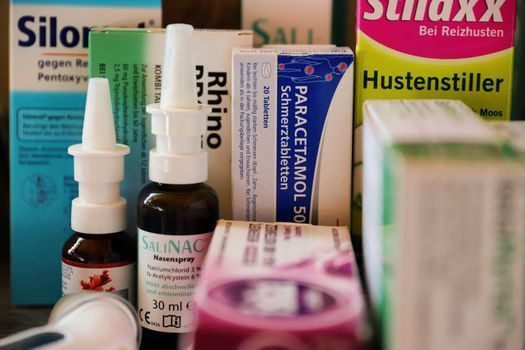
A short procedure with a manageable recovery
Turbinate reduction shrinks the inferior turbinates, the ridges along the side walls of the nose that swell in conditions such as hypertrophic rhinitis and allergic rhinitis. It is offered for chronic nasal congestion that persists despite medication, and it can help with snoring and sleep apnea when nasal blockage contributes.
What recovery looks like
- Surgery day: local anesthesia, 15–20 minutes, no packing. Most patients go home the same day without a guardian.
- Days 1–3: the nose often feels more blocked than before surgery because of swelling. Mild watery or blood-tinged discharge is common.
- First week: avoid strenuous exercise, nose blowing and saunas.
- Weeks 1–2: crusts form on the treated turbinates. Weekly follow-up dressing removes them and keeps the airway clear.
- After crusting settles: airflow typically improves as swelling subsides.
Why it can feel worse before it feels better
Patients are sometimes surprised that the nose feels more congested in the first days. This is normal healing swelling and crusting, not a sign the surgery failed. Saline rinses and follow-up cleaning help the airway open up as the tissue heals.
Aftercare tips
- Use saline spray or rinses as directed to soften crusts.
- Sneeze with your mouth open, and avoid blowing your nose.
- Do not pick at crusts; let them be removed at follow-up.
- Keep indoor air humidified, especially in Seoul's dry winter.
- Continue allergy treatment if prescribed, since surgery does not remove the allergy itself.
What we do at Gangnam Yonsei ENT
Dr. Kim Yoo Suk, a board-certified otolaryngologist, practiced rhinitis surgery as part of his rhinology subspecialty during his years as a clinical assistant professor at Yonsei and assistant professor at Ajou University. He confirms turbinate enlargement with nasal endoscopy before and after decongestant, and an allergy test where relevant.
Medical treatment comes first: steroid sprays, antihistamines, allergen avoidance and, for dust mite allergy, immunotherapy. Turbinate reduction is recommended when congestion persists despite good medical care, and it can be combined with septoplasty if a deviated septum also contributes. All explanations are in English.
Follow-up dressing visits
Weekly follow-up during the crusting phase is short but important. Dr. Kim examines the nose with an endoscope, gently removes crusts and checks that the treated surfaces are healing without sticking to the septum. These visits also allow him to adjust allergy medication if needed. Patients who work weekdays can often use Saturday morning hours, 09:00–14:00, for dressing visits.
Honest limitations
Turbinate reduction relieves congestion but does not cure allergies, so sneezing and itching may continue. Turbinate tissue can partially regrow over years, particularly if inflammation is not controlled. Over-reduction is avoided because the turbinates play a role in warming and humidifying air.
When to seek care
Contact the clinic for heavy bleeding, fever, or increasing pain. Hours and directions are on the location and hours page.
Related: turbinate reduction vs septoplasty and exercise after nasal surgery.
Related questions
When will I breathe better after turbinate reduction?
Many patients notice improvement once crusting settles, typically after about two weeks. The first days often feel more congested because of swelling. Attending weekly follow-up dressing and using saline as advised helps the airway open as healing progresses.
Can I go to work the day after turbinate reduction?
Many people with desk jobs return quickly, since there is no packing and the procedure takes only 15 to 20 minutes. Avoid strenuous work, heavy lifting and hot environments for the first week.
Will I still need allergy medication after surgery?
Possibly. Turbinate reduction improves airflow, but it does not stop the allergic reaction. Many patients still use a steroid spray or antihistamine during allergy seasons. Dr. Kim will tailor ongoing treatment to your symptoms.
Your doctor
Dr. Kim Yoo Suk, MD
Board-certified otolaryngologist (ENT). Former clinical assistant professor at Yonsei University and assistant professor at Ajou University School of Medicine. Nose & sinus subspecialist who treats all ear, nose and throat conditions.
Consultations in English. Guide for international patients →
Visit us in Gangnam
2F HS Tower, 703 Seolleung-ro, Gangnam-gu, Seoul
Gangnam-gu Office Station (Line 7 / Suin-Bundang), Exit 3-1
Mon, Tue, Thu, Fri 9:00–19:00
Wed 14:00–19:00 · Sat 9:00–14:00
Closed Sundays & public holidays
This answer is general medical information written and reviewed by an ENT specialist. It is not a diagnosis. Please see a doctor for an examination. In an emergency in Korea, call 119.