
English-Speaking ENT in Gangnam, Seoul for Patients from Russia, Central Asia and Mongolia
🌍 Welcoming patients from around the world · Consultations in English with Dr. Kim Yoo Suk, MD, former professor at Yonsei & Ajou University
IN SHORT
Patients from Russia, Central Asia and Mongolia can see an ENT specialist in Gangnam without a referral or advance appointment. Dr. Kim Yoo Suk, a board-certified otolaryngologist and former Yonsei and Ajou professor, consults in English only, so bring a friend or translation app if you prefer Russian or Mongolian. Medical records and English certificates are available.
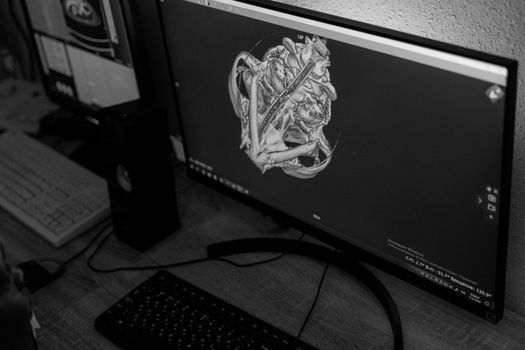
How a Korean ENT visit works
In Russia and much of Central Asia, patients often start at a polyclinic with a therapist who refers them to a LOR (ЛОР) specialist, or they pay for a private clinic. Mongolia's system similarly relies on family health centers and hospital specialists. In Korea, outpatient ENT clinics are independent and open to walk-ins. At our English-speaking ENT clinic, you register at the desk, see the specialist, and pay before you leave. Endoscopy and hearing tests are usually done the same day.
Language
Consultations are in English only. We do not offer Russian, Kazakh, Uzbek or Mongolian language service. Many patients bring a relative, colleague or friend who speaks English or Korean; others use a translation app. Preparing a written summary of your symptoms, previous treatments and any CT reports in English before the visit saves time.
Your doctor
Dr. Kim Yoo Suk is a board-certified otolaryngologist who was a clinical assistant professor at Yonsei University and then an assistant professor at Ajou University School of Medicine. His subspecialty is rhinology, and he treats all ear, nose and throat conditions. He recommends only the treatment you actually need.
Why people travel to Seoul for ENT care
Some patients from Vladivostok, Ulaanbaatar, Almaty or Tashkent come specifically for a second opinion on a long-standing nose or sinus problem. Common reasons include:
- Chronic sinusitis that keeps returning after repeated sinus punctures or antibiotics
- Deviated septum and chronic nasal blockage
- Rebound congestion from long-term decongestant spray use, which is common where nasal decongestants are sold freely
- Hearing loss or chronic ear discharge
Bring CT scans on a disc or USB along with written reports. Dr. Kim can review them and decide whether repeat imaging such as a sinus CT scan is necessary.
Climate notes
Seoul's winter is milder than Siberia, Mongolia or northern Kazakhstan, but humid summers can be a surprise, and the spring yellow dust that passes over Mongolia and northern China also reaches Seoul. If you already have allergies or sinus disease, symptoms may flare in March to May.
Planning surgery from abroad
Functional nasal surgery is done under local anesthesia, and most patients go home the same day. Testing, consultation and surgery may be done on one day when appropriate, but you also need time for follow-up: packing removal, dressing visits and protecting the nose for about two weeks. Ask about timing before booking return flights.
Documents and payment
- Itemized receipt and English medical certificate
- Copies of records, test results and imaging to take home
- Registration requires your passport, or your Residence Card if you are a resident
- International credit cards are generally accepted, but some cards issued in Russia may not work abroad, so check before you travel
The clinic does not bill insurers directly. Prescriptions are filled at a separate pharmacy. For emergencies, call 119.
See also our guide to flying with ear and sinus problems. Directions are on our location page, and more guides are on the International Patients hub.
Frequently asked questions
Can I see the doctor in Russian or Mongolian?
No. Consultations are in English only, and the clinic does not provide interpreters. Many patients bring a friend or relative who speaks English or Korean, or use a translation app. A written summary of your symptoms and treatment history in English is very helpful.
Should I bring my CT scans from home?
Yes. Bring the images on a disc or USB plus the written report. Dr. Kim can review them and decide whether new imaging is needed. Previous records help avoid unnecessary repeat tests and give a clearer picture of how the problem has changed.
How long should I stay in Seoul after nasal surgery?
It depends on the operation. Septoplasty involves packing for one day and protecting the nose for about two weeks, while sinus surgery usually needs weekly follow-up during two to three weeks of crusting. Dr. Kim will advise you on timing before you book flights.
Before your visit
- Bring your passport or Alien Registration Card (ARC)
- Walk-ins and WhatsApp messages welcome:+82-10-5344-4464
- Ask for an itemized receipt, medical record copies or an English medical certificate for insurance claims
- Consultations in English
Find us in Gangnam
2F HS Tower, 703 Seolleung-ro, Gangnam-gu, Seoul
서울특별시 강남구 선릉로 703, 2층
Gangnam-gu Office Station, Exit 3-1
Mon, Tue, Thu, Fri 9:00–19:00 · Wed 14:00–19:00 · Sat 9:00–14:00
General information for international patients, reviewed by an ENT specialist. Insurance coverage and claim rules depend on your own insurer — please check with them. In an emergency in Korea, call 119.